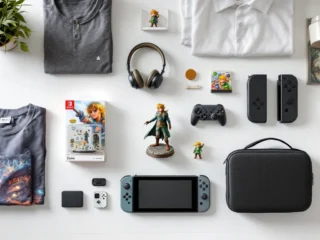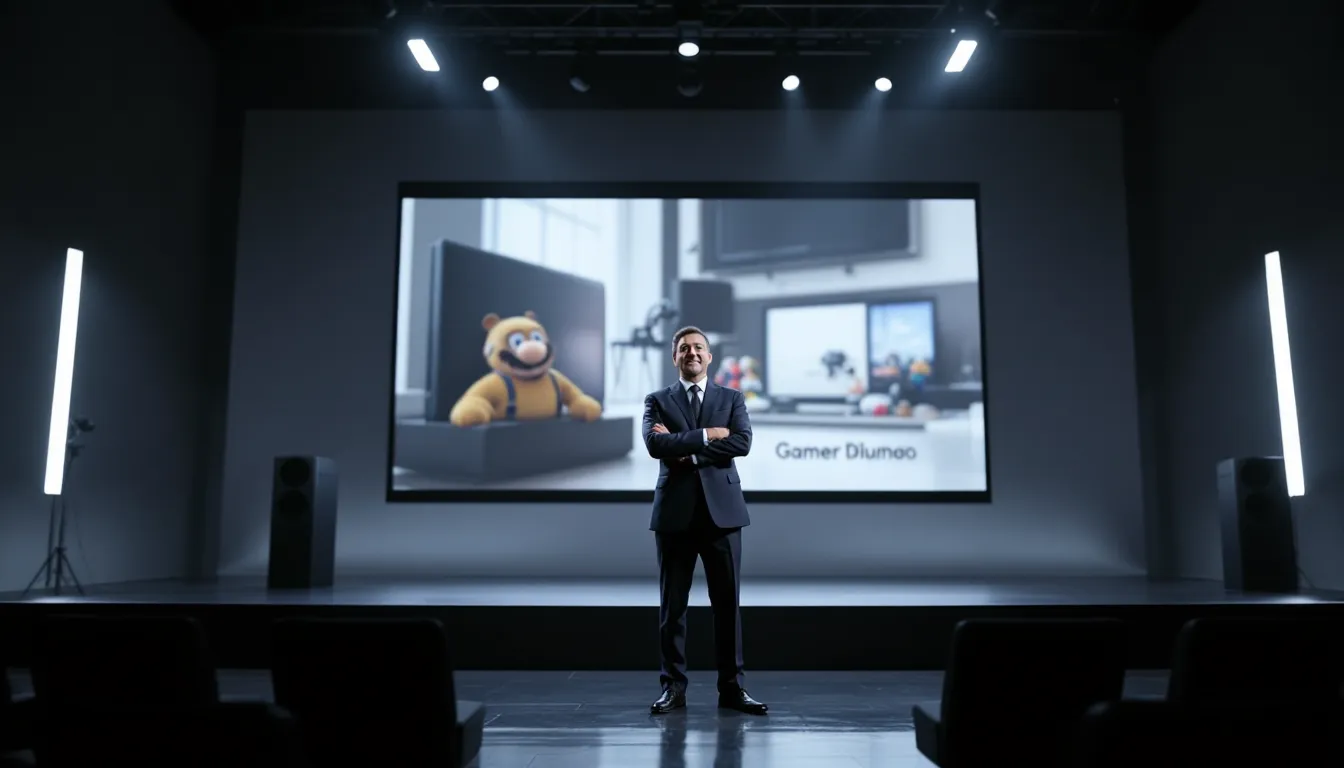
Nintendo Direct has become the gaming industry’s most anticipated livestream event, and 2026 is shaping up to be no exception. Whether you’re a hardcore Nintendo fan counting down the days to the next Switch exclusive, a casual player curious about what’s coming, or a competitive player looking for balance changes and new titles, Nintendo Direct announcements pack real impact. These presentations are where Nintendo reveals its roadmap for the year ahead, new games, hardware details, surprise drops, and post-launch content that can shift the entire conversation around the company’s lineup. If you’ve ever experienced the rush of a Nintendo Direct announcement or wondered why gamers clear their calendars for these events, you’re not alone. Understanding what Nintendo Direct is, how it works, and what to expect can help you stay ahead of the curve and never miss a moment that matters to your gaming life.
Key Takeaways
- Nintendo Direct is Nintendo’s official livestreamed presentation where company leadership announces upcoming games, hardware updates, DLC content, and major news directly to fans, typically lasting 30–50 minutes.
- Nintendo Direct revolutionized gaming announcements by bypassing traditional media gatekeepers and proving that audiences value substance over theatrical production, influencing how competitors like Sony and Microsoft communicate with players.
- The presentation format evolved significantly with the Nintendo Switch launch in 2017, introducing the Mini Direct model for targeted updates and establishing strategic timing around retail seasons and esports events.
- Game announcements in Nintendo Direct range from surprise same-day releases to multi-year previews, with release dates that are generally reliable, distinguishing these presentations from vaporware announcements made by other publishers.
- Nintendo Direct viewers can maximize the experience by preparing beforehand, tracking announcements across official sources like Nintendo.com and the eShop, and monitoring follow-up developer interviews and gameplay reveals that expand on presented content.
What Is A Nintendo Direct?
A Nintendo Direct is an official presentation broadcast livestreamed by Nintendo, typically lasting between 30 and 50 minutes, where company leadership announces upcoming games, hardware updates, DLC content, and other major news. Think of it as Nintendo’s direct line to its audience, no middlemen, no embargoed reviews, just the company speaking straight to gamers. There’s no fancy stage production or celebrity guests: it’s usually just a talking head (often president Shuntaro Furukawa or other Nintendo executives) sharing updates against a simple background.
These presentations happen several times per year and reach millions of viewers worldwide. Unlike traditional press conferences at industry events like E3, Nintendo Direct is on Nintendo’s own terms, they control the timing, format, and content completely. The format is deliberately straightforward, which creates a unique energy. Viewers get accustomed to the signature presentation style, and when that familiar intro plays, everyone knows something’s about to happen.
What makes Nintendo Direct special isn’t flashiness: it’s reliability and substance. Gamers trust that if Nintendo is broadcasting a Direct, there will be real news worth their time. The company rarely wastes airtime on vague corporate speak, and the audience has learned to read between the lines when executives emphasize certain words or pause for effect. Some of the biggest gaming moments in the last decade have come directly from these presentations.
The History And Evolution Of Nintendo Direct
Early Years And Foundation
Nintendo Direct launched in 2011 as an alternative to traditional gaming expos and press conferences. Back then, the gaming press was dominated by E3 and Gamescom events, where only select journalists got early access to news. Nintendo wanted to change this dynamic by reaching fans directly through the internet, a bold move that showed the company understood how gaming culture was shifting toward digital communication and immediacy.
The earliest Directs were comparatively modest: shorter announcements focused on the 3DS and Wii U era. There was no building hype around the announcement of an announcement: Nintendo simply scheduled a stream and delivered news. These early presentations didn’t have the production polish or dramatic reveals that we see today, but they served their purpose, cutting out the middleman and proving that publishers could reach their audience without relying on traditional gaming media gatekeepers.
Growth Into A Major Event
By the mid-2010s, Nintendo Direct had evolved into a major tentpole event. The launch of the Nintendo Switch in 2017 transformed the entire dynamic. Switch announcements in Nintendo Directs became can’t-miss moments because the console was attracting players of all demographics and experience levels. Suddenly, a Nintendo Direct announcement could move market sentiment, drive hardware sales, and spark genuine cultural moments in gaming.
The presentations became longer and more elaborate. Nintendo started scheduling Directs strategically around major retail seasons, competitive esports events, and its own release calendar. Production values improved, graphics, animations showcasing new games, and more polished delivery. The audience expanded exponentially. What was once a niche community tuning into Nintendo announcements became a mainstream gaming event that trended on social media globally.
This era saw some of the most iconic Nintendo Direct moments: surprise announcements, unexpected game reveals, and reveals that fundamentally shifted fan expectations about what’s possible on the Switch hardware.
The Mini Direct Era
Recognizing that not every announcement needed a 40-minute presentation, Nintendo introduced Nintendo Direct Mini, shorter, 10-to-15-minute streams focused on specific topics or upcoming releases. These smaller presentations allowed the company to stay in constant communication with its audience without massive production commitments. A Mini Direct might focus solely on indie titles, Switch sports games, or a single franchise getting new content.
The Mini Direct format became crucial for pacing. It let Nintendo avoid announcement fatigue while maintaining regular communication. Players learned to read the “Mini” label as a signal: this will be focused, probably won’t have earth-shattering reveals, but there will be specific useful information. This tiered approach, main Directs for major announcements, Minis for targeted updates, gave Nintendo more flexibility and control over its narrative throughout the year.
How To Watch Nintendo Direct
Official Streaming Platforms
Nintendo Directs stream across multiple platforms simultaneously, ensuring accessibility for everyone:
- Nintendo’s Official YouTube Channel – The primary destination. Full HD quality, chat-enabled, and archived for rewatching.
- Nintendo’s Official Website – Direct embed on Nintendo.com with a clean interface and no distractions.
- Twitter (now X) – Nintendo streams to its official account, useful if you want to follow live reactions from the gaming community.
- Twitch – Available on Nintendo’s Twitch channel: some regional variations exist.
- Cable TV (Select Markets) – Nintendo occasionally broadcasts Directs on cable networks like Spike TV or dedicated gaming channels, though this is less common than in previous years.
The best viewing experience typically comes from YouTube or Nintendo’s website, which prioritize video quality and don’t have the unpredictability of Twitch chat.
Timing And Schedule Tips
Nintendo Directs don’t follow a strict calendar, which keeps the community guessing. But, patterns exist if you pay attention:
- Q1 (January-March) – Often features early-year announcements and upcoming spring releases.
- Summer (June-August) – Directs focusing on major fall releases and back-to-school season announcements.
- Fall (September-November) – Critical period for holiday season game reveals: expect more frequent presentations.
- December-Early January – Year-end wrap-ups and previews of the next year’s lineup.
To stay informed about scheduling, follow Nintendo’s official social media accounts, enable notifications on their YouTube channel, and bookmark Nintendo.com. Gaming news outlets like Nintendo Life send out alerts the moment announcements are scheduled, so subscribing to their notifications ensures you never miss a Direct. Most Directs air at 9 AM PT / 12 PM ET, making them convenient for North American viewers, though Nintendo occasionally shifts timing for global accessibility.
What To Expect From Nintendo Direct Presentations
Game Announcements And Release Dates
Game announcements are the headline draw of every Nintendo Direct. These can range from surprise drops, games coming out within days, to announcements of titles launching years away. Nintendo strategically mixes the announcements: a few major first-party titles (Mario, Zelda, Pokémon) that drive mainstream attention, mid-tier exclusive games that appeal to dedicated fans, and a substantial block dedicated to third-party indie developers bringing games to Switch.
Release date reveals matter enormously. A game that’s been in development for years without a concrete launch window can suddenly have a specific date announced, which immediately impacts pre-order numbers and consumer planning. Nintendo rarely announces games without relatively firm release windows, which distinguishes their Directs from companies that announce vaporware years in advance. When a release date appears in a Nintendo Direct, it’s generally reliable.
Hardware Updates And News
While less frequent than game announcements, Nintendo Direct presentations occasionally reveal new hardware or substantial revisions to existing platforms. The announcement of the Nintendo Switch OLED model, Switch Lite variants, and other hardware tweaks have all come through Directs. These announcements affect purchasing decisions for millions of consumers and can shift the entire conversation around the platform.
Hardware news might include upgraded screens, new color options, storage improvements, or the announcement of a completely new console generation (though a next-generation console announcement would be a colossal moment). When hardware news is teased in scheduling or rumored beforehand, it creates immense anticipation because it represents a significant business decision and strategic shift.
DLC And Post-Launch Content Reveals
Post-launch content strategies have become central to Nintendo’s business model. A Direct often includes announcements about upcoming DLC packs, seasonal updates, battle pass content, or major expansions for already-released games. Games like Super Smash Bros. Ultimate, Mario Kart 8 Deluxe, and The Legend of Zelda: Tears of the Kingdom have all received substantial post-launch support revealed through Directs.
These reveals matter because they extend the lifespan of games and give players reasons to keep investing time and money into titles they already own. A beloved game might receive months of additional content, characters, stages, or story expansions announced in a Direct, fundamentally changing players’ plans for how much more they’ll engage with that game.
Major Nintendo Direct Moments That Changed Gaming
Legendary Game Reveals
Certain Nintendo Direct announcements have become legendary in gaming history. The reveal of The Legend of Zelda: Breath of the Wild at the 2016 Switch announcement event fundamentally changed how people understood what was possible on Nintendo hardware. Viewers watched Link explore a massive open world with freedom and interactivity that challenged everything they expected from a Zelda game. That single presentation shifted industry conversation and drove massive Switch pre-orders.
Another watershed moment came with the Super Smash Bros. Ultimate announcement, which promised every character from the franchise’s history would be included in one game. The presentation had genuine emotional beats, returning characters, surprising fan favorites, roster completeness. The gaming community erupted because Nintendo was making an explicit promise that resonated with decades of franchise history.
Similarly, announcements about major Pokémon releases, new Mario titles, and exclusive Nintendo franchises generate authentic excitement because they tap into genuine cultural touchstones for millions of gamers worldwide. These aren’t artificially hyped moments: they’re reveals of games that genuinely matter to the audience.
Surprise Announcements That Shocked The Community
Some of the most memorable Nintendo Direct moments come from genuine surprises. When a game that wasn’t on anyone’s radar gets announced and releases within days, it shocks the community in the best way. Indie games receiving unexpected Switch ports, beloved dormant franchises returning, or third-party exclusivity deals being announced create real “did that just happen?” moments that dominate social media for hours.
These surprises work because Nintendo has built enough trust with its audience that a last-minute announcement slot feels like potential for something unexpected. The community has learned to watch for unusual pacing or unexpected game reveals. Some of the most discussed Nintendo Directs in retrospect are ones where a surprise announcement became the talking point, even though it might have occupied only 60 seconds of a 40-minute presentation.
Nintendo Direct Impact On The Gaming Industry
How It Shaped Consumer Expectations
Nintendo Direct fundamentally changed how gamers expect to receive information. The direct-to-consumer model proved that audiences didn’t need traditional media gatekeepers or press conferences to get reliable gaming news. This shifted industry dynamics across the board. Other publishers watched Nintendo’s success and began exploring their own direct communication channels, though none have achieved quite the same cultural resonance.
The presentation format, executives speaking directly to an audience with prepared announcements, became the template that others mimicked. Publishers realized that timing announcements on their own schedules, controlling the narrative completely, and reaching their audience without intermediaries was powerful. Consumer expectations shifted too: gamers began expecting regular, scheduled communication from publishers they care about.
Nintendo Direct also established that presentation quality matters less than substance. Unlike elaborate E3 press conferences or industry award shows, Nintendo Direct’s simple format proved that gamers care about what’s being announced, not how theatrically it’s presented. This democratized gaming announcements, you didn’t need massive production budgets or celebrity guests: you needed real news.
Competitor Responses And Industry Trends
Competitors took notice immediately. Sony responded with its own State of Play presentations, initially smaller and more focused but eventually growing into major PlayStation announcement events. Microsoft built Xbox events around similar direct-to-audience concepts. These were clear responses to Nintendo’s success in owning the announcement cycle on their terms.
Japanese gaming companies, in particular, looked to Nintendo Direct as a template. Coverage of Japanese games and announcements on sites like Siliconera and Gematsu frequently references Nintendo’s presentation strategies because the company became a bellwether for how publishers communicate with global audiences.
The broader industry trend accelerated toward more frequent, smaller announcements rather than waiting for massive yearly conventions. Nintendo Direct demonstrated that staying in regular contact with your audience through bite-sized presentations built more sustained engagement than waiting for one massive annual event. This shift has fundamentally restructured how the gaming industry communicates.
Tips For Getting The Most Out Of Nintendo Direct
Pre-Event Preparation
If you’re planning to watch an upcoming Nintendo Direct, a little preparation makes the experience better:
- Check Your Schedule – Clear 45 minutes to an hour depending on whether it’s a main Direct or Mini. You don’t want to miss announcements because you stepped away halfway through.
- Have Your Device Ready – Test your internet connection beforehand. A laggy stream during an announcement you’re excited about is frustrating. Use an HDMI cable or Chromecast if you want to watch on a larger screen.
- Silence Notifications – Close Discord, mute group chats, and disable notification sounds. You want to absorb announcements without distraction. You can catch up on live reactions afterward.
- Grab Your Notes – Have a notepad handy (digital or physical) to jot down release dates, game titles, or details you want to research further. Information dumps happen quickly, and you might miss specifics if you’re not taking notes.
- Avoid Spoilers and Leaks – In the hours before a Direct, avoid gaming forums and subreddits where spoilers might have leaked. Some announcements get datamined or accidentally revealed before the official presentation.
Tracking Announcements And Updates
After a Nintendo Direct ends, the real work of tracking announcements begins:
- Check Official Sources Immediately – Nintendo.com and the official Nintendo Switch eShop are updated shortly after a Direct ends, with release dates, pricing, and pre-order links for announced games.
- Watch For Developer Interviews – Often, developers behind announced games give interviews to gaming media shortly after a Direct, providing deeper context about gameplay features, development history, or post-launch plans.
- Follow-Up News – Subsequent news and trailers drop in the days and weeks following a Direct. A 30-second announcement might get expanded into a full trailer or extended gameplay demo posted online days later.
- Track Release Windows – Create calendar reminders or add announced games to your wishlist on the eShop. Release windows slip sometimes, so having that information organized helps you stay current.
- Community Roundups – Dedicated Nintendo communities discuss every aspect of a Direct. Subreddits like r/Nintendo and r/NintendoSwitch have thread collections of all announcements for easy reference. Gaming outlets compile the major announcements into digestible format if you missed any portions of the stream.
Conclusion
Nintendo Direct has solidified itself as essential viewing for anyone invested in Nintendo or gaming broadly. What started as an experimental way to reach consumers directly has evolved into a cultural event that shapes gaming narratives, drives industry trends, and creates genuine moments of excitement and surprise. The format’s simplicity, executives presenting news directly to fans without corporate theater or unnecessary production flourishes, has proven to be remarkably powerful.
In 2026 and beyond, Nintendo Direct will continue to be the primary avenue through which the company communicates its plans, announces new games, and shapes the conversation around Nintendo hardware and software. Understanding what to expect, knowing how to access these presentations, and preparing to absorb and track the announcements ensures you never miss information that matters to your gaming life. Whether you’re a casual player curious about upcoming Switch titles or a hardcore enthusiast tracking every detail of Nintendo’s roadmap, Nintendo Direct remains unmissable.
About The Author