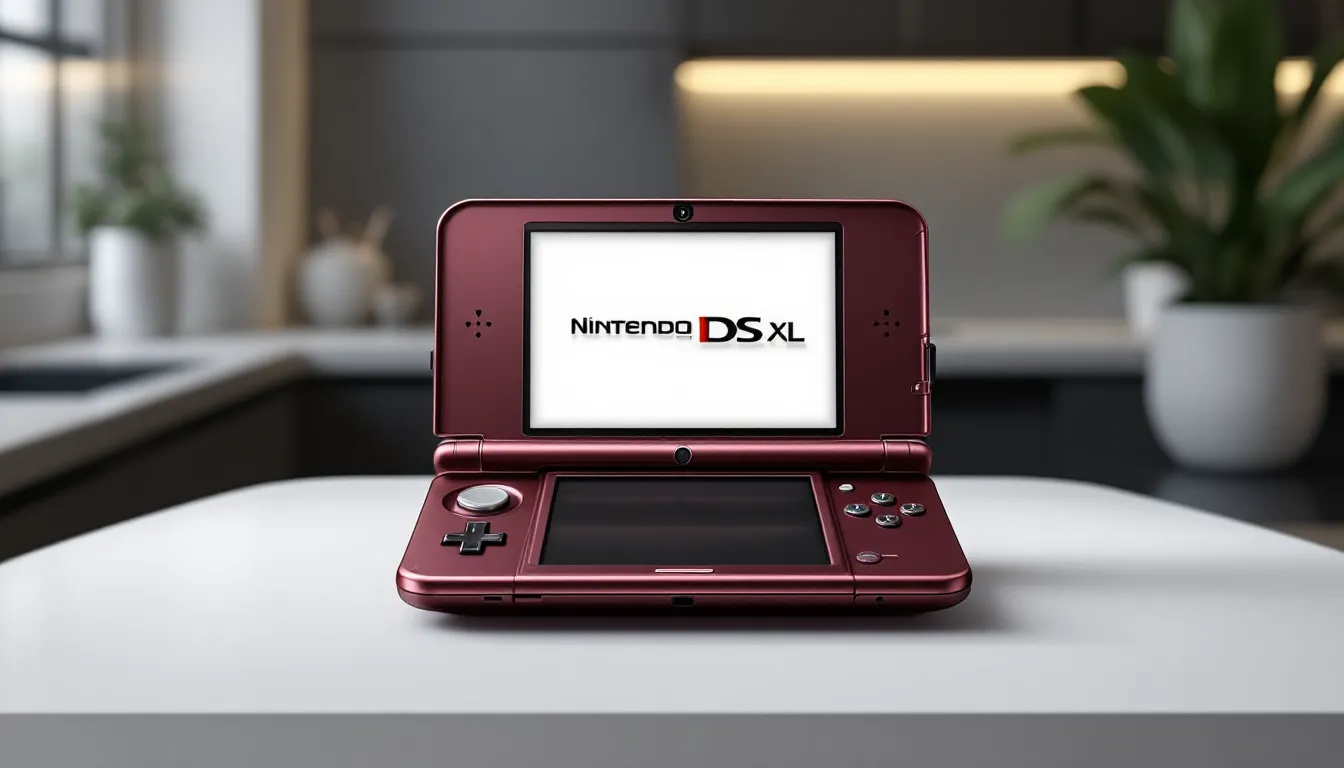
The Nintendo DSi XL arrived in 2009 as a premium refresh to the original DS line, and for handheld gaming fans, it represented everything right about that era: bigger screens, improved hardware, and an expanding digital storefront. While the original DS revolutionized portable gaming with its dual-screen layout, the DSi XL took that winning formula and optimized it for comfort and playability. This wasn’t just a minor iterative upgrade, the enlarged 4.2-inch screens made games feel less cramped, and the built-in camera and DSi Shop opened new possibilities for digital gaming before smartphones dominated the space. Even in 2026, collectors and retro gaming enthusiasts still hunt for these units, recognizing that the DSi XL remains one of the best portable gaming experiences Nintendo ever produced.
Key Takeaways
- The Nintendo DSi XL’s 4.2-inch screens and improved battery life (up to 10 hours) made it a significant upgrade over the original DS, prioritizing comfort and extended gameplay sessions.
- As a premium handheld with backward compatibility to 600+ original DS titles, the Nintendo DSi XL offered exceptional value while introducing digital distribution through the DSi Shop, which launched over 1,000 games by its closure in 2017.
- In 2026, finding a quality used Nintendo DSi XL costs $180–$350 depending on condition and color, with hinge degradation being the most common long-term issue affecting these 16-year-old systems.
- The DSi XL’s influence shaped Nintendo’s future handheld philosophy, directly inspiring the 3DS XL design and planting seeds for the eShop ecosystem that became central to modern Nintendo platforms.
- Games like Kirby: Mass Attack, Rhythm Heaven, and The Legend of Zelda: Spirit Tracks played noticeably better on the DSi XL’s larger touchscreen, demonstrating how thoughtful hardware design enhanced the entire game library.
What Made The Nintendo DSi XL Stand Out
The Nintendo DSi XL distinguished itself in a crowded handheld market by refusing to compromise on screen real estate. When the original DS hit shelves in 2004, its 3-inch screens felt revolutionary, but over time, gamers complained about eye strain during long sessions. Nintendo heard that feedback and responded with the DSi XL’s massive 4.2-inch displays, the largest screens on any Nintendo handheld at the time.
Beyond sheer size, the DSi XL featured improved brightness levels and sharper color reproduction compared to its predecessor. This mattered for puzzle games, rhythm titles, and anything requiring precision. The unit weighed slightly more than the standard DSi (about 314 grams versus 218 grams), but the weight distributed better for extended play sessions, making it genuinely comfortable to hold for hours.
The stylus got upgraded too. The DSi XL included a retractable stylus that felt less toy-like than earlier DS models, improving touch-screen accuracy in games requiring finesse. For games like Kirby: Canvas Curse or The Legend of Zelda: Phantom Hourglass, this upgrade wasn’t trivial, it directly impacted gameplay quality.
Another differentiator was color options. Nintendo released the DSi XL in Burgundy, Brown, Black, and limited regional variants. While that might seem cosmetic, the metallic finishes and matte coatings on certain colors gave the unit a premium feel that elevated it above the standard DSi’s plastic aesthetic. Gamers weren’t just buying a handheld: they were buying a status symbol within the portable gaming community.
Hardware Specifications And Design Improvements
Under the hood, the DSi XL shared most internals with the standard DSi: the same ARM9 CPU, 16 MB RAM, and ARM7 co-processor. But, Nintendo made targeted optimizations that felt significant to users. The hardware ran at slightly improved stability compared to early DSi units, with fewer reported issues around cartridge recognition or wireless connectivity.
The stylus storage compartment received redesign attention as well. Instead of the awkward clip system on earlier models, the DSi XL integrated a cleaner retractable mechanism that felt more refined and reduced the risk of losing the stylus.
Camera And Multimedia Features
The DSi introduced a 0.3-megapixel camera system, practically laughable by modern standards, but genuinely novel in 2008-2009. The DSi XL kept this feature with two cameras: one on the front facing the player, another on the rear. While photo quality remained grainy, the camera found real utility in games like Photo Booth and Picross 3D, where the camera’s limitation became part of the charm.
The DSi Shop represented the bigger multimedia leap. While not a true digital distribution platform by today’s standards, the DSi Shop let players download games, apps, and DSiWare titles directly to the system. This was revolutionary for handheld gaming in 2009, predating the eShop’s integration into later Nintendo systems. Games like WarioWare: Snapped. leveraged the camera creatively, translating the hardware limitation into engaging experiences.
Internal storage started at 256 MB but required an SD card for expanded capacity, a limitation that feels quaint now but mattered for collecting DSiWare titles back in the day. Audio output through the speaker remained decent, though gamers preferred headphones for better sound in titles like Rhythm Heaven.
Battery Life And Performance
The Nintendo DSi XL packed a larger 1000 mAh battery compared to the original DS’s smaller cell, delivering approximately 10 hours of gameplay on a full charge. That figure varied based on brightness settings and which game was running, but hitting double digits was legitimately impressive for 2009. The original DS struggled to reach 8-10 hours under similar conditions, so the improvement mattered for handheld gaming on road trips or extended outdoor sessions.
Brightness adjustment proved crucial for battery longevity. Four brightness levels let players dial down the screens during portable gaming, extending play sessions by 2-3 hours depending on the game. This flexibility meant the DSi XL could genuinely last a full workday without needing a charge.
Performance remained stable across the entire library. The DSi XL never throttled or struggled with even the most demanding titles available for the platform. Games ran at the same framerates as on original DS hardware, maintaining consistency across the library.
The Game Library: Why DSi XL Remains Legendary
The Nintendo DSi XL launched into an established ecosystem with thousands of available titles. This wasn’t a console trying to build its library from scratch, it was joining a platform with years of momentum.
Exclusive DSi Titles And Must-Play Games
DSiWare represented genuinely exclusive content. Games like Shantae: Risky’s Revenge, Flipnote Studio, and Photo Booth existed only on the DSi or DSiWare. Flipnote Studio deserves special mention, it was a free animation tool that created an entire creative community, with users sharing flipnotes online. That kind of integrated social experience was ahead of its time for handheld gaming.
Must-play retail titles leveraged the DSi XL’s improved screens beautifully:
- Rhythm Heaven – The enlarged screens made timing windows clearer, improving the already-tight rhythm-game experience.
- Kirby: Mass Attack – Stylus-based gameplay felt more responsive on the bigger display.
- Professor Layton series – The expanded screen real estate made puzzle solving less frustrating.
- The Legend of Zelda: Spirit Tracks – Stylus controls for boomerang aiming and sword combat benefited from the larger touch screen.
- Dragon Quest IX: Sentinels of the Starry Skies – JRPG dungeon crawling on a portable system with 100+ hours of content.
These weren’t exclusive to the DSi XL, but the hardware enhancement made them measurably better experiences. A gamer choosing between original DS and DSi XL would genuinely prefer the XL for these titles.
Backward Compatibility With Original DS Games
The Nintendo DSi XL maintained full backward compatibility with the entire original DS library, over 600 games. This represented incredible value for players upgrading from the original DS. Every Game Boy Advance game that worked on the original DS, every third-party publisher’s entire catalog, every major Nintendo first-party title from the DS generation, all of it ran flawlessly on the DSi XL.
This backward compatibility mattered more than it might seem. Unlike later Nintendo console generations where older media became incompatible, the DSi XL welcomed your existing collection without questions. That continuity kept the platform feeling less like an upgrade and more like an evolution.
Game Boy Advance cartridges, which worked on the original DS, did NOT function on the DSi XL due to hardware changes. This was the only major compatibility loss, and it was a known tradeoff that Nintendo was transparent about at launch.
The DSi Shop And Digital Gaming Evolution
The DSi Shop emerged as Nintendo’s first real push into digital distribution, launching in 2008 and sticking around until its closure in 2017. In the DSi XL’s active period (2009-2013), the shop accumulated over 1000 titles, including DSiWare exclusives and Virtual Console releases of classic NES and Game Boy games.
Pricing ranged from free-to-play experiments to $20+ for full retail experiences. Games like Shantae: Risky’s Revenge retailed at $15 and delivered genuine value compared to some retail-priced offerings. The shop’s existence proved Nintendo could distribute games digitally before the eShop’s more comprehensive approach.
Download speeds were slow by today’s standards, 10-15 minutes for a larger title on standard WiFi, but that was routine for 2009. The convenience of not hunting for physical cartridges justified the wait.
Collecting And Using A Nintendo DSi XL In 2026
Finding a Nintendo DSi XL in 2026 requires patience and realistic expectations. The platform launched 16 years ago, and genuine units in acceptable condition command respectable prices from collectors.
Finding And Pricing Used Units Today
Secondhand DSi XL units typically range from $180-$350 depending on condition, color, and included accessories. Burgundy and limited regional editions fetch premiums, sometimes crossing $400 for pristine examples. Black and Brown units, the most common colors, settle in the $200-$250 range for good condition units.
Where to search: eBay remains the most reliable source, with consistent listings. Local Facebook Marketplace groups and Craigslist vary wildly by region. Game store chains like GameStop occasionally stock refurbished units, though inventory fluctuates. Reddit communities like r/retrogaming have buy/sell/trade threads where enthusiasts move units regularly.
Red flags when buying: Extensive scratches on both screens, non-functional stylus, drifting hinge, or sticky buttons. The stylus mechanism is replaceable, but hinge damage is permanent and expensive to fix. Screen scratches are cosmetic if deep scratches don’t crack the LCD, though minor scratches are cosmetic.
Condition ratings matter. “Good” condition (heavily played but functional) runs $150-$200. “Like New” (light play, minimal wear) approaches $350. “Acceptable” (cosmetic damage but fully functional) bottoms out around $120-$150.
Maintenance, Repairs, And Screen Longevity
The biggest long-term issue facing DSi XL units is hinge degradation. The dual-screen design puts stress on the center hinge through years of opening and closing. By 2026, many units show loose hinges or cracked hinge plastics. Replacement hinges exist but require partial disassembly, not a beginner-friendly repair.
Screen longevity is actually solid. Unlike the original DS’s tendency toward dead pixels, DSi XL screens hold up well. Minor scratches don’t typically worsen. The dust-resistant design keeps screens cleaner than you’d expect for 16-year-old hardware.
Battery replacement is straightforward. Third-party replacement batteries cost $15-$25 and restore the 10-hour battery life. Disassembly involves one scrrew and gentle prying, doable for anyone with basic handheld repair experience.
The motherboard proves durable. Capacitor plague that affected some older gaming hardware rarely impacts DSi XL units. Genuine failures are uncommon enough that they should raise suspicion (potential water damage or previous repair attempts).
Maintenance recommendations: Keep the system in a protective case when not in use. Clean screens with microfiber cloths only, avoid harsh chemicals. Store in a cool, dry place to minimize capacitor stress. Keep the hinge area clean and avoid aggressive opening/closing motions that accelerate wear.
Rarity of parts in 2026 means repair costs climb. Screen replacements run $80-$120 if you use a repair shop. Hinge replacements can push $100+ with labor. This matters when deciding whether to repair aging units or accept cosmetic wear.
Comparing The DSi XL To Other Nintendo Handhelds
The Nintendo DSi XL sits at an interesting point in Nintendo’s handheld timeline, with predecessors it improved upon and successors that eventually replaced it.
Nintendo DSi XL vs. Original Nintendo DS
The original Nintendo DS (2004) established the dual-screen paradigm that made gaming magical: a stylus-driven lower screen for input, an upper screen for display. But it had real limitations. The 3-inch screens felt cramped for extended play sessions. Brightness levels lagged behind later iterations, making outdoor gaming frustrating. The original DS’s battery, around 8 hours, required frequent charging on full brightness.
The DSi XL fixed all three issues. The 4.2-inch screens eliminated eye strain. Brightness options suited various lighting conditions. The battery stretched to 10 hours, a genuine quality-of-life improvement.
Where the original DS won: price. The original DS launched at $199, while the DSi XL retailed at $189 (unusual for an enhanced model, but true). Collectors who want the most historically significant handheld still prefer the original.
For actual gameplay, the DSi XL was objectively superior. Every game played better on larger screens with longer battery endurance. The trade-off was a slight weight increase and loss of GBA backward compatibility (which mattered only to legacy players).
How It Stacks Up Against Modern Handhelds
Comparing the DSi XL to modern portable systems requires recontextualization. The Nintendo Switch (2017) offers 1080p screens, thousands of games, online multiplayer at system level, and HD graphics. By raw specifications, it’s incomparably more powerful.
Yet the DSi XL remains compelling for specific reasons:
- Screen real estate: The DSi XL’s 4.2-inch screens still feel comfortable for extended sessions. Modern Switch Lite’s 5.5-inch screen is larger, but the DSi XL’s aspect ratio suited stylus input better.
- Game library depth: The DS library (900+ titles) includes systems-exclusive games unavailable elsewhere. Want to replay Rhythm Heaven Fever or Kirby: Mass Attack? DSi XL is your only choice.
- No online dependency: DSiWare and retail DS games function entirely offline. Modern games often require constant connectivity for features.
- Affordability of games: Used DS games cost $5-$15 versus $40-$60 for modern titles.
Modern platforms like the Nintendo Switch (available on PC, Nintendo Switch hardware, and mobile through various means) offer something the DSi XL never could: multimedia integration, streaming capability, and unified online infrastructure. But they sacrifice the focused, self-contained experience that made the DSi XL special.
The Game Boy Advance (2001) preceded the original DS and relied on cartridges without dual screens. The DSi XL improved on the GBA’s entire ecosystem, making it the better vintage handheld for most use cases.
Retro handheld emulation devices like the Anbernic and Miyoo platforms can legally emulate DS games (with caveats about ROM sourcing), but they lack the original hardware’s authenticity and tactile feel. Collectors prefer genuine DSi XL units for the genuine experience.
Legacy And Impact On Portable Gaming
The Nintendo DSi XL arrived at a pivotal moment: smartphones were emerging as legitimate gaming devices, and the portable gaming market faced existential questions. Yet the DSi XL proved that dedicated handhelds could still thrive by offering what phones couldn’t, physical controls, intentional gaming focus, and battery life measured in hours rather than minutes.
The DSi XL’s success demonstrated that size mattered. Later handhelds paid attention: the Nintendo 3DS XL (2012) followed the exact same philosophy, take the 3DS’s 3.5-inch screens and upsize to 4.2-inches. That direct lineage shows how influential the DSi XL’s design thinking became.
The Switch’s hybrid nature owes debt to the DSi XL’s versatility. Both systems could function as portable or stationary experiences. The DSi XL let you play at home or on the go seamlessly, influencing Nintendo’s future handheld philosophy.
Digital distribution through the DSi Shop proved that gamers accepted downloading games, planting seeds for the eShop ecosystem that now anchors every Nintendo platform. The DSi Shop’s success in 2009-2013 gave Nintendo confidence that digital-first strategies could work.
From a pure design perspective, the DSi XL achieved something few handhelds managed: it felt premium without alienating regular gamers. The metallic finishes, improved materials, and thoughtful ergonomics elevated portable gaming’s perceived quality. This influenced how Nintendo approached future hardware iterations.
The DSi XL also represented the peak of the DS era. The original DS revolutionized gaming: the DSi XL perfected it. By the time the 3DS emerged with glasses-free 3D, handheld gaming was already shifting toward phones and tablets. The DSi XL became the system that caught handheld gaming at its zenith, the moment when dedicated devices felt indispensable before smartphones changed everything.
In collector circles and among enthusiasts, the DSi XL holds legendary status specifically because it arrived at that crossroads. It was the last truly great dual-screen-only handheld before the market fragmented. That historical significance, combined with its genuine quality, explains why finding good condition units remains difficult in 2026. People keep them because they recognize what they represent: the golden age of dedicated portable gaming.
Conclusion
The Nintendo DSi XL stands as a masterclass in iterative hardware design. It didn’t reinvent the wheel, it recognized that the original DS’s formula worked and refined every element that mattered. Bigger screens for comfort, longer battery life for convenience, improved build quality for durability, and a growing digital ecosystem for future-proofing. Resources like Nintendo Life continue documenting the DSi XL’s impact on Nintendo’s handheld legacy, while GameSpot reviews periodically resurface how the system holds up against modern competition.
In 2026, hunting for a DSi XL means appreciating handheld gaming from an era when devices had singular, excellent purposes. The massive screens remain comfortable for extended play. The 600+ compatible games offer endless variety. The build quality suggests these systems will function for another 16 years if cared for properly.
Whether you’re a collector recapturing nostalgia, a gamer discovering the DS library for the first time, or an enthusiast studying Nintendo’s hardware evolution, the DSi XL delivers. It’s not the cheapest way to experience DS games, and it’s not the most powerful portable system ever made. But as the culmination of everything that made the DS special, and proof that thoughtful hardware design never ages, the Nintendo DSi XL remains genuinely legendary.
About The Author