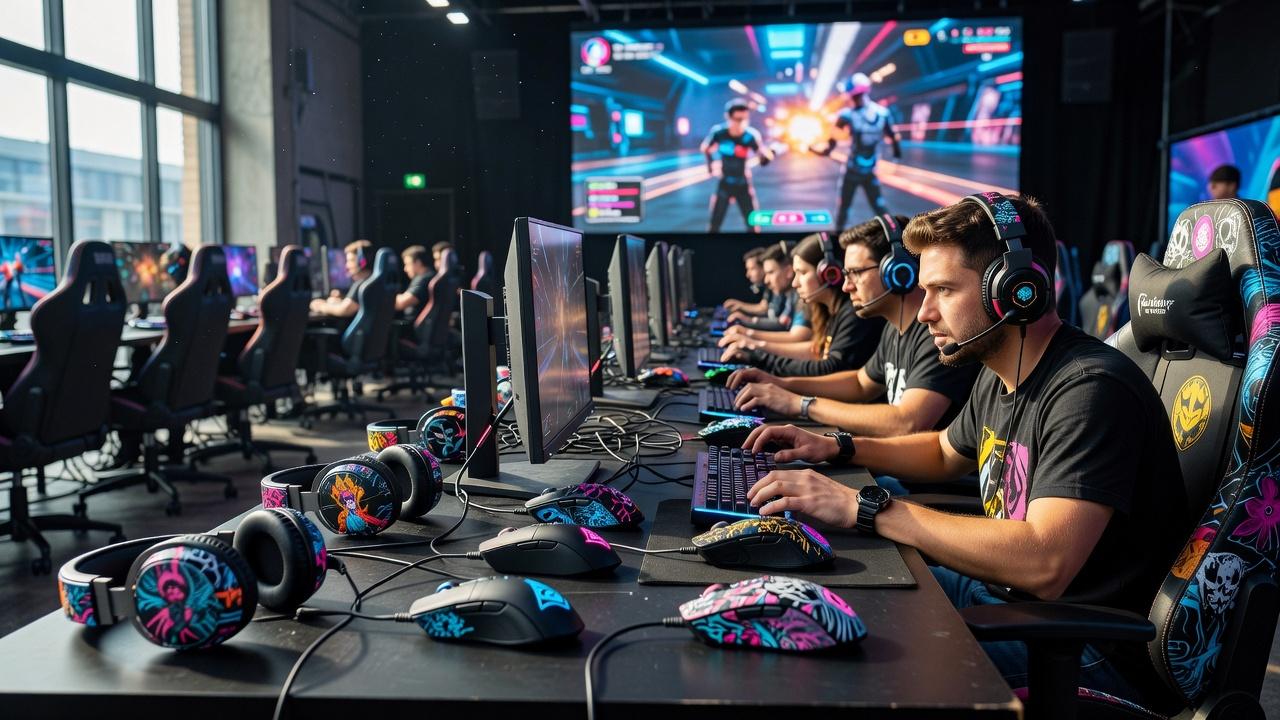
Monetization and the Growth of in-Game Markets
Cosmetic customization has redefined the revenue models of the gaming industry. No longer reliant solely on game sales or subscriptions, developers now generate significant income through microtransactions tied to cosmetics. This shift sparked the creation of vast virtual economies, where items are bought, sold, and traded for real currency and digital credits. Trading hubs and loot box systems have elevated cosmetic items into valuable assets, with marketplaces like Steam Community Market facilitating thousands of daily trades. One of the most prominent markets is for cs skins, where players trade and collect unique cosmetic items. For blockbuster titles, the turnover of cosmetic markets can exceed millions annually. This dynamic has influenced not just players and collectors, but entire esports ecosystems, where sponsorships and event prizes now often feature exclusive skins or collectibles alongside traditional cash rewards.
The Origins of Cosmetic Customization in Video Games
In the earliest days of video games, player personalization was limited. Arcade classics like Pac-Man and Space Invaders offered a single, unchangeable character model. As technology advanced, so did the desire for individual expression. The 1990s introduced character selection and alternate costumes in titles such as Mortal Kombat and Street Fighter II, where players could pick not only their fighter but occasionally a differently colored outfit. Moving into the early 2000s, games like Counter-Strike and The Sims allowed more elaborate avatar and cosmetic modifications, giving players the first real opportunities to shape their in-game identity beyond performance. Over time, cosmetic customization evolved from simple palette swaps to an expansive collection of skins, accessories, and visual effects. Now, even weapon finishes, sprays, and animation packs are standard in modern titles, driving an industry-wide shift toward player-driven visual identity.
The Role of Skins and Cosmetics in Competitive Titles
Cosmetic items have become inseparable from the competitive gaming scene. Esports titles such as League of Legends and Fortnite transformed cosmetic customization into a form of social signaling. Special event skins, championship-exclusive cosmetics, and limited edition items not only add visual flair but highlight competitive achievements and team affiliations. There is a clear distinction between general cosmetics—available to all—and competitive rewards. For example, tournament badges or champion skins are often only granted to top players or those who reach significant milestones. This exclusivity accelerates engagement; players strive not just for victory, but for the badges and skins that offer visible proof of their achievements. In this ecosystem, cosmetics serve both as a reward mechanism and a community status symbol, incentivizing ongoing participation.
The Psychology Behind Cosmetic Purchases
Why do millions of players invest in virtual cosmetics with no gameplay advantage? The answer lies in psychology and culture. Individuality is a core human drive—players want to stand out, project their personality, and showcase their style. Skins become an online identity, a digital signature recognized by peers. Rarity adds another dimension: limited skins or event-only items signal prestige within tightly knit gaming communities. For some, collecting these exclusives is a hobby akin to collecting sneakers or trading cards. Cosmetic items also play a role in social interaction. Players are more likely to communicate and form teams with others who share rare or creative skins, forging connections that extend beyond matches. This intersection of prestige, self-expression, and social bonding fuels the continuous growth of cosmetic marketplaces.
Community Impact and the Future of Customization
Cosmetic customization deeply shapes game communities. Social events, such as in-game festivals or themed competitions, frequently revolve around skins and visual content. User-generated creations—maps, outfits, animations—are now integral to the culture of modding and digital artistry. These trends foster community-driven economies and cement long-term loyalty. Looking ahead, industry analysts forecast that emerging technologies will amplify player influence over customization. Neural networks promise smart recommendations and AI-generated skins, while blockchain and NFT integration unlock true ownership and unique, provably rare assets. Augmented reality could even extend cosmetic customizations beyond screens, letting players display their virtual identities across new digital frontiers. In 2026, customization is not just a feature—it is the connective tissue linking player, creator, and audience in the evolving world of competitive gaming.
About The Author