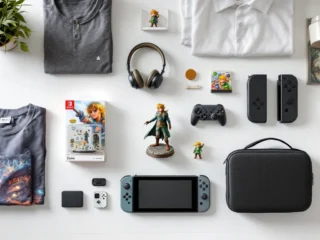
In March 2026, Nintendo faced one of the biggest data breaches in its history, exposing confidential information about upcoming games, hardware plans, and strategic initiatives. For a company that’s historically kept its cards close to the chest, this leak represents an unprecedented breach of secrecy, and it’s sent shockwaves through the gaming community. Gamers are now armed with insights that Nintendo never intended to release, raising questions about what’s really coming, how reliable this information is, and what it all means for the future of the House of Mario. Whether you’re a casual Switch owner or a hardcore Nintendo devotee, understanding the scope, accuracy, and implications of this Nintendo leak is crucial to making informed decisions about your gaming future.
Key Takeaways
- The Nintendo leak exposed confidential roadmaps, hardware specs, and strategic plans extending into 2027, confirmed by cybersecurity experts as largely authentic through verified internal documents and communications.
- Switch 2 specifications were revealed, including upgraded GPU performance at 2.5x current capacity, 12GB RAM, and a Q3 2026 release window with a targeted launch price of $349-$399.
- Nintendo’s strategic pivot toward frequent smaller releases, revamped online services competing with Game Pass, and expanded indie partnerships signals a major shift from blockbuster-driven schedules.
- Gamers can now use leaked information to make smarter purchasing decisions on hardware and subscriptions, though critical thinking is essential since development plans change and only official announcements provide final confirmation.
- The Nintendo leak demonstrates that even security-conscious companies face unprecedented data breach risks, setting a troubling precedent for the entire gaming industry and accelerating sector-wide cybersecurity investments.
What Was Leaked and When It Happened
The Scope of the Nintendo Leak
The leaked materials were extensive. Internal documents, prototype images, development roadmaps, and communication logs painted a detailed picture of Nintendo’s plans stretching well into 2027 and beyond. The leak didn’t just expose game titles: it included design documents, hardware specifications, financial projections, and strategic memos discussing everything from indie partnerships to online service overhauls.
The data originated from an unauthorized access to Nintendo’s internal servers, apparently obtained through a combination of social engineering and unpatched security vulnerabilities. This wasn’t a minor breach affecting a single department, it was a full-scale compromise of Nintendo’s confidential systems.
What makes this different from previous gaming leaks is the sheer volume and credibility of the material. Past leaks often relied on rumors or partially confirmed information. This leak came with internal stamps, dated communications, and technical specifications that cybersecurity experts have largely verified as authentic.
Timeline of Events
The timeline unfolded rapidly once the initial breach was discovered:
- March 15, 2026 – Security researchers initially detected unusual activity on Nintendo’s servers but the company didn’t immediately recognize the scope of the compromise.
- March 18, 2026 – Leaked documents began appearing on underground forums and across social media, initially dismissed by many as elaborate fan-made fabrications.
- March 19, 2026 – Major gaming outlets like Gematsu began independently verifying leaked information through industry contacts. Cross-references with Nintendo’s public statements and historical patterns confirmed authenticity.
- March 20, 2026 – Nintendo officially acknowledged the breach and confirmed that unauthorized access had occurred, though they stopped short of confirming specific leaked details.
- March 21, 2026 – A coordinated legal response from Nintendo’s legal team began, with cease-and-desist notices sent to major sites hosting the leaked files.
- March 22-24, 2026 – The leak continued spreading even though takedown efforts, with gaming communities archiving and analyzing the data extensively.
The speed at which information propagated was astounding. Within 48 hours of verification, nearly every major gaming outlet had reported on at least some leaked details, making it impossible to contain the narrative.
Impact on Nintendo’s Product Roadmap
Upcoming Games and Announcements Revealed
The leaked roadmap exposed dozens of titles Nintendo had planned to announce over the next 18 months. The pipeline includes new entries in several major franchises that fans have been waiting years to see officially confirmed. Metroid Prime 4 received multiple development updates showing significant progress beyond earlier public statements. A mainline Fire Emblem project was revealed alongside details about its gameplay innovations and narrative themes.
More surprising were the previously unknown projects: a new IP in the action-adventure space with apparent Zelda-like qualities, multiple indie partnerships with specific release windows, and platform expansions for existing franchises. Port announcements also surfaced, titles coming to Switch 2, the next-generation Nintendo hardware, which itself was detailed extensively.
The leaked roadmap also revealed Nintendo’s unexpected release schedule. Several games were planned for surprise announcement drops rather than traditional staged reveals, and some titles marked for regional exclusivity in Japan before Western releases. This strategic approach typically maximizes hype through controlled reveals, but now that advantage is lost.
For fans, this means confirmed knowledge of games that otherwise might have remained rumors for years. Competitive and casual players alike can now plan their library purchases with far greater certainty about what’s coming.
Hardware Plans Exposed
Perhaps the most significant revelation involved Nintendo’s next console generation. The documents confirmed Switch 2 specifications, including upgraded processor capabilities, enhanced graphics performance, and a new hybrid form factor with backward compatibility for existing Switch cartridges.
Detailed hardware specs included:
- GPU performance rated at 2.5x current Switch capacity
- RAM increase from 4GB to 12GB, supporting richer textures and larger draw distances
- Storage with 256GB base model options (up from current 64GB/128GB)
- Display options including an upgraded 7-inch OLED model as the premium tier
- Release window targeted for Q3 2026, with production ramping through Q4
The leak also exposed Nintendo’s internal cost projections and pricing strategy discussions, revealing that the company was targeting a $349-$399 launch price point depending on model. Manufacturing partners were named, supply chain logistics were detailed, and production capacity goals were laid bare.
For gamers on PC and other platforms, the specs suggest Nintendo is taking hardware seriously for the first time in a generation. The jump in processing power could mean franchises like Zelda and Mario finally approach the visual fidelity modern audiences expect, without compromise on portability.
What This Means for Nintendo Fans and the Gaming Community
Early Access to Anticipated Titles
Fans who followed the leak gained months of advance knowledge about games they’re genuinely excited for. For dedicated collectors and completionists, this translates directly into planning advantages: knowing release dates allows budgeting, arranging time off work, and organizing pre-orders strategically.
The competitive gaming community benefited even more. Players in fighting games, Mario Kart, and other competitive titles could begin theorycrafting based on leaked balance changes and new mechanics weeks before official announcements. Esports organizations could adjust their roster plans and training schedules based on confirmed upcoming titles.
But, this advantage came with a catch: Nintendo began moving faster on announcements to regain narrative control. Several leaked titles received official announcements within days of the leak spreading widely, preventing the full shock-value benefit that Nintendo traditionally leverages for marketing impact.
Shifts in Nintendo’s Strategic Direction
The leak exposed strategic decisions that reshape how gamers should think about Nintendo’s future. The company was clearly pivoting toward more frequent, smaller releases rather than blockbuster-driven schedules. This means players should expect more consistent content flow rather than long droughts between major launches.
Documents revealed Nintendo was also significantly expanding its online service infrastructure, with VGC reporting details about a revamped subscription tier system offering expanded cloud saves, game trials, and exclusive discounts. The old tiered model was being replaced with a more aggressive ecosystem approach designed to compete directly with PlayStation Plus and Game Pass.
Indie game partnerships also emerged as a major strategic focus. Nintendo had been negotiating exclusive timed-release deals with dozens of independent studios, a deliberate shift away from relying solely on first-party blockbusters. This could democratize Switch 2’s early library in ways gamers haven’t seen before.
Another critical revelation: Nintendo’s approach to legacy franchises was changing. Some beloved series were being reimagined rather than continued traditionally, suggesting Nintendo is willing to take creative risks rather than simply reskinning existing formulas. Fire Emblem, for instance, was getting a completely different combat system rather than the iterative improvements fans expected.
How Nintendo Is Responding to the Leak
Official Statements and Actions
Nintendo’s response was measured but firm. In an official statement released March 20, the company acknowledged the breach, apologized to shareholders and stakeholders, and assured users that personal customer data from the online store and Nintendo Network wasn’t compromised. But, they explicitly did not deny the authenticity of specific leaked details, a calculated silence that gamers interpreted as tacit confirmation.
The company’s public relations strategy shifted rapidly. Rather than fighting against the leaked information, Nintendo began strategically announcing leaked titles themselves, reframing the narrative from “secret reveals” to “officially confirming our roadmap.” This approach salvaged some marketing control while avoiding the appearance of being forced into announcements.
Nintendo also issued statements about their commitment to security improvements, though specifics remained vague. The company promised infrastructure upgrades and third-party security audits, but declined to disclose exactly how the breach occurred or which vulnerabilities were exploited, a standard corporate approach that frustrated security researchers who wanted details.
Legal and Security Measures
The legal response was swift and aggressive. Nintendo’s legal team deployed cease-and-desist orders against sites hosting leaked files, with particular emphasis on media outlets republishing internal documents verbatim. Platforms like Twitter and Reddit faced DMCA takedown notices for leaked images and documents, though the enforcement was inconsistent and largely unsuccessful given the distributed nature of digital data.
Nintendo also pursued criminal investigation cooperation with law enforcement, with initial reports suggesting authorities were investigating potential insider involvement. Whether the breach originated from external hackers, disgruntled employees, or a combination remained unclear even as investigations progressed.
For security improvements, Nintendo reportedly engaged WCCFTech sources indicate the company hired external cybersecurity firms to audit infrastructure and carry out zero-trust architecture across internal networks. Hardware security keys were mandated for employee access, and development servers were isolated from corporate networks, all standard post-breach hardening measures.
The company also accelerated their timeline for announcing new products, essentially using their own official channels to release information before leakers could control the narrative. This represented a tactical pivot: rather than letting the leak dictate the news cycle, Nintendo would dictate it themselves.
What Gamers Should Do With This Information
Separating Confirmed Details from Speculation
Not all leaked information carries equal weight. Some details came from finished design documents with official signatures and dates, these are essentially confirmed. Other materials were clearly draft iterations with multiple revision marks and question marks, indicating early-stage thinking rather than finalized plans.
Gamers should apply critical thinking here:
- Official Nintendo announcements (made after the leak) carry full weight as confirmed information
- Leaked documents with dated signatures and revision history are highly credible but still technically unconfirmed
- Internal discussions and emails reflect thinking at a specific point in time but plans change constantly during development
- Prototype images and early design renders show direction but not final products
- Financial projections and internal strategy memos reveal intent but not guarantees
The distinction matters because development timelines slip, games get cancelled, and strategic priorities shift. Just because Nintendo discussed a feature internally doesn’t mean it shipped in the final product. Fans who treat leaked information as gospel set themselves up for disappointment when reality diverges from leaked plans.
A smart approach: use leaked information to set expectations, but wait for official Nintendo announcements for final confirmation. The company’s strategic direction and general roadmap are now clear, but specific mechanics, features, and release dates could still shift.
Making Informed Gaming Decisions
With this knowledge, gamers can make more strategic choices about hardware investments, library purchases, and subscription commitments. If Switch 2 is confirmed for Q3 2026, players should consider whether purchasing expensive new Switch games now makes sense, or whether waiting for Switch 2 versions is smarter.
Subscription decisions also changed. The leaked details about revamped online services mean gamers interested in cloud saves or game trials should hold off on long-term commitments until Nintendo officially details the new structure. The value proposition could be significantly better than current offerings.
For collectors and completionists, the leaked roadmap helps prioritize which exclusive Switch titles warrant purchase before the generation ends. If a game is getting a Switch 2 port or remake, hunting down the original might not be necessary. Conversely, exclusive Switch-only titles now have confirmed scarcity value.
Competitive players gained enormous advantages. Knowing which fighting games, racing titles, and esports-focused games are coming allows players to invest in practicing the right titles. Streamers and content creators could begin planning coverage strategies months in advance rather than scrambling after announcements.
The fundamental principle: treat the leak as high-confidence industry intelligence, not gospel truth. Use it to inform decisions, but remain flexible as official information replaces speculation.
The Bigger Picture: How Leaks Affect the Gaming Industry
Industry Implications and Precedent
The Nintendo leak is unprecedented in scale but follows a pattern established by previous gaming industry breaches. When Square Enix, Capcom, and Ubisoft experienced similar security compromises, they also saw strategic information leaked. But, Nintendo’s situation carried more weight because the company is more secretive than competitors, leaks of Nintendo information are rarer and hence more impactful.
For the broader industry, this breach sets a concerning precedent. If a company as security-conscious as Nintendo can be compromised, the implicit trust that separates industry insiders from the public became clearly permeable. Publishers have historically relied on controlled information release as a marketing tool, but the Nintendo leak demonstrated that control is fragile.
Investor impact was immediate. Nintendo’s stock experienced volatility as financial markets processed the breach, with some analysts downgrading outlooks due to security concerns. The breach cost was estimated in the tens of millions when combining investigation, remediation, legal response, and damage control.
For smaller studios, the leak carried lessons about their own vulnerability. If Nintendo’s infrastructure was compromised, no company should assume their systems are unbreakable. The industry-wide response involved accelerated investments in cybersecurity, with studios revising access controls and security protocols.
The Role of Leaks in Gaming Culture
Leaks occupy a strange position in gaming culture. They’re simultaneously despised by publishers and celebrated by hardcore fans. The Nintendo leak crystallized this tension: while the company lost marketing control, fans gained transparency about the company’s future plans and priorities.
From a fan perspective, leaks democratize information. Traditionally, only major media outlets and industry insiders get preview access to unreleased games and hardware. Leaks distribute this knowledge to the broader community, leveling the information playing field. This resonates with fans who feel excluded from the controlled-hype marketing machines that major publishers operate.
But, leaks also carry downsides for the creative community. Developers lose the ability to surprise players, and carefully timed marketing campaigns become obsolete overnight. Voice actors, artists, and designers who wanted to experience player reactions to their work unpredictably often can’t. From a creative standpoint, spoilers and leaked designs diminish the joy of discovery.
The Nintendo leak also sparked important conversations about corporate transparency. Gaming companies spend millions on marketing and carefully constructed narratives. Should players trust official communications when leaked materials suggest different priorities? The breach highlighted the gap between public messaging and internal strategy, a tension that extends beyond gaming.
Eventually, the leak reinforced a truth in gaming culture: nothing stays secret forever. Players will find information, piece together clues, and construct narratives regardless of official gatekeeping. Smart companies adapt by controlling their own narrative timing rather than fighting information release itself. Nintendo’s response, strategically announcing leaked titles themselves, represents this adaptation in practice.
Conclusion
The 2026 Nintendo leak represents a watershed moment for the company and the gaming industry. What was exposed, upcoming games, hardware specifications, strategic direction, and infrastructure vulnerabilities, fundamentally changed how players understand Nintendo’s future. The breach wasn’t just a security failure: it was a transparency event that revealed how gaming’s most secretive company actually operates.
For gamers, the takeaway is clear: treat leaked information as credible but verify through official channels before making major decisions. The roadmap is now visible, hardware is confirmed, and strategic direction is transparent. What remains unknown is exactly how these plans will evolve, adapt, and eventually ship to players.
As the gaming industry processes the implications of this breach, one thing becomes certain: the era of near-total corporate secrecy is ending. Players and competitors alike now have unprecedented insight into Nintendo’s thinking, and that knowledge, while reducing marketing surprise, provides a more honest foundation for understanding where gaming’s most iconic company is headed next.
About The Author