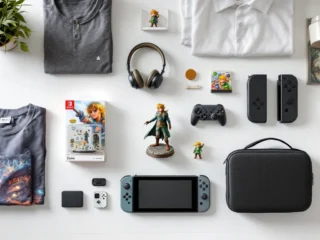
The Nintendo 3DS might be old hardware by 2026 standards, but it’s far from forgotten. Released back in 2011, the 3DS carved out a massive legacy as one of the most beloved handheld gaming systems ever made. Unlike most gaming devices that fade into obscurity after their successor launches, the 3DS has experienced a surprising renaissance in recent years. Collectors hunt for pristine units, speedrunners set records on decades-old games, and the fan community continues to create new content. If you’ve been curious about what made the 3DS so special, or you’re thinking about jumping into the system for the first time, this guide covers everything you need to know, from its hardware evolution and must-play games to finding units in today’s secondhand market and keeping them running strong.
Key Takeaways
- The Nintendo 3DS remains one of the most beloved handheld gaming systems ever made, with a thriving collector community and active fan preservation efforts despite official support ending in 2023.
- The 3DS accumulated over 3,500 official titles during its 2011–2020 lifespan, including acclaimed entries in Fire Emblem, Pokémon, Zelda, and Mario franchises that influenced Nintendo’s future direction.
- Finding a functional Nintendo 3DS in today’s market is feasible, with used units ranging from $100–180 for average condition and special editions commanding premiums of 25–75% depending on rarity.
- Screen protectors, cases, and grip attachments are essential accessories that dramatically improve comfort and protect your Nintendo 3DS investment from wear and cosmetic damage.
- Online multiplayer remains operational for many 3DS titles through Nintendo’s servers, while custom firmware enables emulation and ROM preservation that keeps the game library alive for future generations.
- Common hardware issues like hinge cracks, sticky buttons, and battery degradation are repairable through professional shops ($25–80 labor), making maintenance straightforward for systems you plan to keep long-term.
What Is The Nintendo 3DS And Why Does It Still Matter?
The Hardware That Defined Portable Gaming
The Nintendo 3DS was Nintendo’s answer to the aging DS, introducing a genuine technical leap forward without sacrificing portability. The big selling point was right in the name: stereoscopic 3D gaming without requiring glasses. The system used a parallax barrier display with two layers of screens that created depth perception when viewed from certain angles. It sounds gimmicky in hindsight, but in practice, games like Super Mario 3D Land and The Legend of Zelda: A Link Between Worlds made the feature feel essential, not gimmicky.
Under the hood, the 3DS packed an ARM11 dual-core processor running at 268 MHz, with 128 MB of RAM and a 0.3 MP camera. Those specs sound laughable now, but the system punched above its weight in terms of performance. It ran full 3D games at solid frame rates, handled online multiplayer without hiccups, and managed robust local connectivity through Wi-Fi and infrared. The original model came with 2 GB of internal storage, expandable via SD cards, a feature that mattered long after the eShop shutdown in 2023.
The hardware design itself was thoughtfully executed. The clamshell form factor made it pocket-friendly, the D-pad felt responsive, and the stylus tucked neatly into a compartment. Later iterations refined ergonomics and power efficiency, but the core design philosophy remained consistent across the entire family.
Why Gamers Still Care About The 3DS Today
In 2026, the 3DS is no longer getting new software. Nintendo shut down the eShop, and development officially ended years ago. Yet the system matters more than ever to a certain class of gamer, collectors, enthusiasts, and people who value the library it built.
The 3DS accumulated one of the strongest game libraries Nintendo has ever released. Over 3,500 official titles shipped across various regions. More importantly, the system’s lifespan (2011–2020) coincided with a golden era for Nintendo franchises. Mario, Zelda, Pokémon, Fire Emblem, Monster Hunter, and Mega Man all received standout entries on the system. Some of these games, like Fire Emblem: Awakening, directly influenced the direction of Nintendo franchises for years to come.
Beyond the official library, the 3DS became a hub for retro gaming and modding. Custom firmware enables the system to play NES, SNES, Game Boy, and even N64 games through emulation. Communities maintain active preservation efforts, sharing rare Japan-exclusive titles with Western audiences. For people interested in gaming history or emulation, the 3DS is one of the most flexible platforms ever made.
There’s also a nostalgia factor that shouldn’t be dismissed. Gamers in their mid-twenties to early thirties grew up with the 3DS as their primary handheld. The system carries the same weight that the Game Boy or Game Boy Color does for earlier generations, it’s tied to formative memories and a particular era of gaming culture.
The Evolution Of The 3DS Family
Original 3DS And Early Iterations
The original Nintendo 3DS launched in North America on March 27, 2011, priced at $249.99. The early adoption window was rough. Games took months to arrive, the launch lineup was thin, and reviewers called out poor battery life and screen ghosting. Nintendo responded with a price cut to $169.99 within five months, a move that directly led to the Ambassador Program, giving early adopters free digital games as compensation.
Even though the rocky start, the original 3DS established the foundation that made the system successful. Its 3.5-inch display showcased the stereoscopic effect, the dual-screen layout carried over from the DS, and the processing power was sufficient for the kinds of games Nintendo wanted to make. By early 2012, third-party support solidified, and the library started growing.
Nintendo released regional variants almost immediately. The 3DS XL launched in Japan in 2012, followed by North America and Europe. The original 3DS received color variants, blue, black, red, silver, each with minor hardware tweaks. The DSi XL, Nintendo’s previous large-screen handheld, provided a template for the larger model, and that experience clearly influenced the 3DS XL’s design.
The original form factor remained in production until 2015, long after the XL and later models arrived. Collectors and nostalgists still prefer the original’s smaller size, even though the larger successors offered superior displays and comfort for extended play sessions.
3DS XL And The Mid-Life Refresh
The Nintendo 3DS XL arrived in July 2012 in Japan and October 2012 in North America. Nintendo marketed it as a premium option for players who wanted a larger screen and longer battery life. The XL model featured a 4.88-inch top screen compared to the original’s 3.53-inch display, a substantial upgrade. The bottom touch screen also grew proportionally. Battery life improved to around 5 hours from the original’s meager 3–5 hours.
Price reflected the larger size: the 3DS XL launched at $199.99, $30 less than the original when it debuted. That discount made the XL an attractive option for new buyers, and it quickly became the standard reference point for the system. Players who jumped in during 2013–2014 typically owned an XL model.
The 3DS XL release date of July 2012 in Japan preceded the North American launch by three months, a pattern Nintendo would repeat with subsequent revisions. This gap gave Japanese importers time to ship units globally, and dedicated fans in other regions occasionally opted for Japanese imports to get hardware earlier.
The XL also came in multiple colors: red, blue, silver, and region-specific variants. Nintendo later released special edition models tied to major franchises, Mario, Pokémon, and Monster Hunter editions saw particularly strong demand. Collectors still pay premiums for sealed or near-mint XL models in discontin used colors.
New 3DS And Final Enhancements
The New 3DS and New 3DS XL represented the system’s final evolution. Launched in Japan in October 2014 and North America in February 2015, these models marked a genuine hardware upgrade, not just a cosmetic refresh.
The CPU got a slight bump: the New 3DS used dual-core ARM Cortex-A9 processors instead of the original’s ARM11 architecture. RAM doubled to 256 MB. These upgrades enabled exclusive games like Xenoblade Chronicles 3D and Fire Emblem Fates: Special Edition that wouldn’t run on older hardware. Developers also optimized older titles for the new system’s faster processors, resulting in better performance and loading times.
The New 3DS introduced the Circle Pad Pro as an integrated feature. The original 3DS relied on a stylus-based second input or an optional attachment: the New 3DS built in a full second analog stick (called a C-Stick). Gamers who’d complained about awkward camera controls in action games finally got proper dual-analog support.
The display technology also improved. The New 3DS featured a wider viewing angle for the 3D effect, no more hunting for the perfect eye position. Face-tracking technology used the top camera to adjust the 3D parallax in real-time. When it worked, it was impressive: when the tracking glitched, it was jarring, but overall it was a solid upgrade.
The New 3DS XL followed the same formula with a larger screen. It became the definitive version of the hardware, offering the best balance of portability, comfort, and performance. Nintendo discontinued the New 3DS (smaller model) outside of Japan but continued the XL variant until the Switch’s momentum made it redundant.
The New 3DS also saw the introduction of the stylus pen’s C-Stick alternative (a nub rather than a full stick), though gamers largely preferred the optional Circle Pad Pro accessory or waited for games that took full advantage of the integrated hardware.
The 3DS Game Library: Must-Play Titles Across Genres
Action And Adventure Classics
The 3DS library exploded with action and adventure games that justified the handheld’s processing power. Super Mario 3D Land launched alongside the original 3DS and instantly became a system seller. It proved the 3D effect wasn’t just a gimmick, the game designed levels specifically to leverage depth perception, making platforming feel fresh even though inheriting core mechanics from the Mario lineage. Its follow-up, Super Mario 3D Land 2, arrived on the Switch but the original remains an essential 3DS experience.
The Legend of Zelda: A Link Between Worlds released in 2013 and delivered a masterclass in handheld adventure design. It revitalized the classic A Link to the Past formula with modern conveniences and a rental system for equipment that made sequence-breaking viable. The 3D effect enhanced dungeon exploration without overwhelming the action.
Kid Icarus: Uprising was a launch title that confused many players, a rail shooter with touch-screen aiming that felt unlike anything else on the system. Its learning curve was steep, its controls unintuitive to newcomers, but those who invested time found one of the deepest action games on the platform. The multiplayer modes (Light vs. Dark) are still active in preservation communities.
For hack-and-slash enthusiasts, Monster Hunter Frontier G and the main Monster Hunter series (particularly Monster Hunter 4 Ultimate and Monster Hunter Generations) defined the 3DS in Japan. The franchise became synonymous with the system, and Japanese gamers sunk hundreds of hours into grinding quests and building weapon trees. Western players caught on more slowly but eventually appreciated the intricate combat.
Castlevania: Lords of Shadow proved ambitious action games could run on the 3DS, while Ace Combat: Assault Horizon Legacy delivered tight flight combat. Neither reached the heights of mainline entries, but both showed the system’s capability when developers focused resources.
RPGs That Defined The System
If the 3DS had a genre home, it was RPGs. The system’s long battery life and portability made it perfect for turn-based grinding and story-heavy experiences.
Fire Emblem: Awakening launched in Japan in 2012 and arrived in North America in 2013. It single-handedly revived the franchise, combining grid-based tactical combat with social simulation and permadeath mechanics. The Casual Mode option (no permanent character death) proved controversial among veterans but opened the series to new players. This game’s success directly led to Fire Emblem: Fates, Fire Emblem Echoes, and eventually the critically acclaimed Fire Emblem: Three Houses on Switch. Awakening’s influence on Nintendo’s strategy is impossible to overstate.
Pokémon X and Y launched in 2013 and introduced the franchise to full 3D gameplay (sort of, Pokémon battles still used mostly 2D models, but environments rendered in 3D). The Mega Evolution mechanic shook up competitive play. Pokémon Sun and Moon pushed the graphics further and overhauled the gameplay formula, replacing gyms with trials. Both are still actively played online and in competitive circles.
Persona Q: Shadow of the Labyrinth brought the social link mechanics of the Persona series to a dungeon crawler framework. It wasn’t essential for Persona fans (the mainline story diverged significantly), but it was a love letter to the community.
Etrian Odyssey IV and V catered to hardcore RPG fans. These first-person dungeon crawlers required manual map-making and demanded strategic party composition. They’re text-heavy, mechanically complex, and feature minimal hand-holding. For players seeking challenging RPGs with depth, they delivered.
Yokai Watch became a cultural phenomenon in Japan, rivaling Pokémon in popularity during the mid-2010s. Western release was limited, but the franchise demonstrated the 3DS’s appeal to diverse demographics.
Nintendo Exclusives Worth Playing
Beyond the heavy hitters, Nintendo published numerous exclusives that defined the system’s personality.
New Super Mario Bros. 2 and the 3D Land entry already mentioned gave Mario fans mainline experiences. Luigi’s Mansion: Dark Moon provided a quirky, ghostbusting adventure that balanced action with puzzle-solving. Donkey Country Returns 3D brought the punishing platformer to handheld with mixed reception (the home console version was superior), but it was still worth playing for fans who’d missed the original Wii version.
Star Fox 64 3D was a remake of the N64 classic, updated for stereoscopic 3D and featuring rebalanced content. Purists debated whether it surpassed the original: most agreed it was excellent even if not definitive.
The Legend of Zelda: Majora’s Mask 3D remade the N64 classic with quality-of-life improvements that made the time-loop structure less punishing. The 3D effect made mask-swapping more visually satisfying. It’s a solid remake, though die-hards debate whether the changes softened the original’s sharp design.
Animal Crossing: New Leaf launched in 2012 and became the franchise’s touchstone until Animal Crossing: New Horizons on Switch. The combination of home decoration, fossil hunting, and relaxing village life made it the go-to zen game of its era. Multiplayer was simple but charming, visiting friends’ villages and trading items felt genuinely social.
Professor Layton series maintained strong presence. The franchise’s puzzle-based adventure format translated perfectly to the handheld’s touchscreen. Later entries experimented with real-time mystery solving but the classic Layton formula remained the strongest.
Regional exclusives also deserve mention. Japan received Dragon Quest IX: Sentinels of the Starry Skies on DS, but the Dragon Quest VII and VIII remakes came to 3DS and later Switch. Japan also got numerous JRPG releases that never left the region, including Bravely Default, which eventually did reach Western markets. Resources like Siliconera tracked these regional releases for import-savvy fans.
Finding And Buying 3DS Consoles And Games In Today’s Market
Where To Find Used And Refurbished Units
In 2026, finding a functional 3DS takes effort, but it’s far from impossible. The official Nintendo eShop shuttered in 2023, and new hardware production ended years earlier. That means sourcing comes down to secondhand markets, refurbished stock, and finding remaining new old stock from retailers that never cleared inventory.
eBay remains the largest marketplace for 3DS hardware. Price variation is wild, you’ll find units listed at everything from $80 to $500 depending on condition, color, and bundled games. Original models in pristine condition with sealed boxes command premiums. XL models in common colors (red, blue) run cheaper: rare editions (Zelda gold, Monster Hunter variants) cost significantly more. Always check seller feedback and request photos before buying: condition claims vary wildly.
Facebook Marketplace and local classified sites (Craigslist, etc.) often have better deals since you eliminate shipping and can inspect hardware in person. The downside is inventory is inconsistent and scams are more common when cash changes hands. Meeting in person at public locations and testing the hardware on-site mitigates risk.
GameStop liquidated most 3DS inventory years ago, but occasional trade-ins still filter through their system. Calling local stores to ask about available used units is worth the effort. Prices are generally higher than eBay, but you get their return policy and certification of functionality.
Retro game shops in major cities often stock 3DS hardware. The benefit is professional testing and usually a return window. The cost is significantly higher than online private sales. Local retro stores typically charge $150–250 for working units in average condition.
For people wanting guaranteed functionality, refurbished options from Nintendo’s online store remained available until the eShop closure. Refurbished units come with Nintendo’s 1-year warranty and were returned systems professionally serviced. They’re rarer now but still pop up on secondary markets occasionally. Nintendo’s own refurbished stock usually cost $50–100 less than mint used hardware, making them solid value.
Price Trends And What To Expect
The 3DS market has stabilized significantly since the Switch’s launch in 2017. Early panic selling drove prices down as people offloaded hardware. By 2020, prices bottomed out, you could find working 3DS XL units for $80–120. Since then, prices have climbed as demand from collectors, content creators, and preservation enthusiasts grew.
As of 2026, expect these rough price ranges for North American hardware:
- Original 3DS, average condition: $100–150
- 3DS XL, average condition: $130–180
- New 3DS (original size), average condition: $150–200
- New 3DS XL, average condition: $160–220
- Special edition systems (any variant): 25–75% premium depending on rarity
Condition heavily influences price. A unit with a cracked screen or sticky buttons might fetch $40–60. Mint-condition hardware with original boxes pushes prices to $250+. “Like new” systems (light scratches, minimal use) fall in the $180–240 range.
Games have appreciated less dramatically. Most 3DS titles, even solid ones, cost $10–25 used. Popular franchises, Pokémon, Mario, Zelda, hold value better. Japan-exclusive titles and niche RPGs sometimes cost more on import markets, especially if they’re sought after by speedrunners or hardcore fans.
Nintendo 3DS for sale searches across various platforms show consistent availability. The trick is patience. Prices fluctuate based on listing volume: when many units hit the market simultaneously, prices dip. Waiting for bulk liquidations or estate sales often yields better deals than hunting during normal market conditions.
The Nintendo 3D effect’s novelty also influenced value. Systems marketed as 3D when the feature was new may carry nostalgic premiums. Today, the feature’s novelty is gone: few people care specifically about buying a 3DS “for the 3D.” That means pricing focuses on game library, hardware condition, and brand equity rather than the gimmick that originally sold the system.
Essential Accessories And Modifications For 3DS Enthusiasts
Must-Have Accessories For Comfort And Protection
Right out of the box, the 3DS is functional but bare-bones. A few accessories dramatically improve comfort and protect your investment.
Screen protectors are non-negotiable. The 3DS displays are plastic, not glass. They scratch easily, and replacing them requires full device disassembly. Quality tempered glass or high-clarity plastic protectors cost $10–15 and prevent the display from becoming a texture map of scratches. Install them properly (clean the screen, avoid bubbles) and they’re invisible.
Cases and pouches prevent cosmetic damage and the occasional drop. Hard cases ($20–40) provide maximum protection. Soft pouches ($10–15) are more portable. Nintendo’s official cases are long discontinued but still available refurbished or used: third-party alternatives from brands like Hori work equally well.
The stylus is small and frequently lost. Replacement packs cost $5–10. Keeping spares on hand prevents frustration when you need one for games requiring touch input.
The Circle Pad Pro accessory (or Circle Pad Pro XL for XL models) adds a second analog stick to original 3DS and 3DS XL hardware. It’s bulky and feels weird at first, but games like Monster Hunter and Kingdom Hearts benefit enormously. Official units are discontinued, but third-party replacements exist. For the New 3DS, the integrated C-Stick (a nub rather than a true analog stick) reduced demand for the attachment.
Charging cables are another consumable. The original 3DS used a proprietary connector (thankfully Nintendo switched to USB-C on Switch). Third-party chargers are cheap ($8–15) and reliable. Keep backups in different locations: a broken charger is the most common reason old 3DS hardware sits unused.
For extended play sessions, grip attachments reduce hand fatigue. The original 3DS is ergonomically awkward during long sessions: the XL models improved this, but grips still help. Third-party grips cost $10–20 and work universally.
Customization And Modding Options
The 3DS community embraces customization, from simple aesthetic mods to comprehensive system modifications.
Shell replacements let you change the system’s color or appearance. Third-party plastic shells are cheap ($15–25) and replace the outer casing. They’re purely cosmetic but allow people to personalize their hardware. The downside is installation requires minor disassembly and risks damaging buttons or internals if you’re careless.
Custom decals and skins are non-destructive alternatives. Third-party sellers on Etsy and eBay offer designs ranging from pixel art to anime girls. They peel off without residue (usually), making them reversible customization.
LCD screen replacements are possible if you damage the display, but they’re time-consuming and risky. Official replacement screens are unavailable: third-party options are either refurbished salvage parts from broken units or potentially lower-quality replacements. Unless you’re skilled with a soldering iron and microelectronics, professional repair shops are safer.
The controversial territory is custom firmware modification. Installing CFW (custom firmware) on a 3DS enables emulation, ROM playing, saves backups, and other features that violate Nintendo’s terms of service. We’re not endorsing or detailing installation here, but it’s worth acknowledging that the preservation and emulation communities view CFW as essential for archiving games Nintendo no longer distributes.
CFW installation voids warranties and carries slight risk (poorly executed modifications can brick systems). That said, the process has become straightforward enough that non-technical users can follow guides successfully. Custom firmware opens the 3DS as a retro emulation machine capable of running NES, SNES, Game Boy, N64, and other systems through emulators like Retroarch.
Third-party battery upgrades from companies like Kitsch-Bent offer higher-capacity replacements with better longevity than original batteries. They’re not strictly necessary, but they extend handheld play time significantly.
Microphone mods improve audio quality on systems with degraded microphone performance. This is niche but relevant for people using voice chat in online games. Professional repair shops offer this modification for $30–50.
Common Issues, Troubleshooting, And Maintenance
Typical Hardware Problems And Solutions
After 10+ years in circulation, many 3DS units show wear. Knowing what’s fixable and what signals catastrophic failure helps you make informed purchase decisions.
Hinge cracks are the most common structural issue. The clamshell design puts stress on the hinge, and plastic fatigue causes cracks. Minor cracks are cosmetic: severe cracks can damage the ribbon cable connecting top and bottom screens. If the top screen suddenly stops responding to touch or goes black, a broken hinge likely severed the connection. Professional hinge replacement costs $30–80 depending on severity and your repair shop. Prevention is simple: don’t force the clamshell closed and avoid dropping the system.
Sticky or dead buttons happen from dust accumulation or worn membrane switches. Minor stickiness sometimes resolves with compressed air blown into button gaps. Persistent issues require replacing the button board, which means partial disassembly. D-pad deterioration is especially common: you’ll see drift (pressing one direction registers different input) on heavily used systems. Button replacement is $25–50 labor depending on the shop.
Screen issues range from minor to catastrophic. Dust under the protective plastic layer of the screen is cosmetic and can’t be easily cleaned without risking component damage. Dead pixels appear as black or colored dots on-screen and usually indicate aging or defects, they’re not fixable short of full screen replacement. Touch-screen responsiveness degradation is common: the bottom screen becomes non-responsive in certain areas. Gently recalibrating the touch screen (system settings > calibrate) sometimes helps, but worst cases need professional replacement.
Battery degradation is inevitable. Original batteries lose capacity over time. If your 3DS can’t hold charge for more than 90 minutes of active play, the battery needs replacement. Lithium batteries cost $15–25: labor is minimal since battery swaps require basic disassembly. Swollen batteries (the system feels thicker or the screen separates from the bezel) are hazardous, stop using the system immediately and replace the battery.
Charging issues usually stem from corroded connector pins or internal charging circuit failure. Try a different charger first: if that doesn’t work, the charging port might need repair. Liquid damage is largely irreversible without professional board-level repair, which costs $60+.
Audio problems range from speaker degradation to headphone jack failure. Crackling audio typically signals aging speakers (unfixable without soldering). Headphone jack issues (audio only comes out of one ear) need jack replacement ($20–40 labor). Wi-Fi connectivity drops are often firmware-related: performing a system update or factory reset sometimes restores connection. Persistent issues indicate failing Wi-Fi hardware.
Keeping Your 3DS In Working Condition
Preventative maintenance extends hardware lifespan significantly.
Temperature management matters. The 3DS generates some heat during intensive gaming. Keep it away from direct sunlight and don’t use it while charging in hot environments. Store it in a cool, dry place: extreme temperatures damage batteries and can cause condensation inside the system.
Screen care is straightforward: use a soft, lint-free cloth for cleaning. Never use commercial screen cleaners: alcohol or harsh chemicals degrade plastic lens coatings. For dust buildup between the screen and bezel, compressed air is safer than disassembly.
Battery management: Turn off the system completely rather than relying on sleep mode if you’re storing it for extended periods. Lithium batteries degrade slower when not actively charged. If you’re going to store your 3DS for months, charge it to about 50% first, then power it off. Recharge it fully every few months to maintain health.
Software maintenance is simple: keep firmware updated. Nintendo released patches that improved stability and fixed security vulnerabilities. Check for updates monthly by connecting to Wi-Fi and navigating to system settings.
Physical protection is common sense. Use a case when transporting the system, avoid impact, and keep liquids away. The clamshell design already protects screens, so a simple pouch often suffices.
Button care: Avoid mashing buttons during intense gaming sessions. Apply steady pressure rather than repeated rapid taps. This reduces mechanical wear on the membrane switches underneath.
Ventilation: Ensure the system can dissipate heat during extended sessions. Don’t cover vents or use the system on soft surfaces (beds, couches) that block airflow. A simple rubber stand costs $5 and improves cooling significantly.
If you’re storing systems long-term, remove the battery if it’s removable (original 3DS only: XL and New models use internal batteries). Store separately in a cool location. When ready to use again, let electronics acclimate to room temperature before powering on if they were stored in extreme cold.
Many issues become non-problems with routine maintenance. A system treated carefully lasts 10+ years without major repair. Abuse will result in failures within a few years regardless of luck.
The 3DS Community: Online Play, ROM Hacks, And Fan Projects
Multiplayer And Online Features Still Available
Nintendo officially shut down the 3DS eShop in March 2023. That’s a significant blow to digital game distribution, but it wasn’t a total connectivity kill. Online multiplayer still works for many titles, though the situation is complex.
First, the current status: Nintendo’s servers for Friend Code matching, matchmaking, and peer-to-peer gameplay remain operational as of early 2026. Games like Mario Kart 7, Mario Tennis Open, Monster Hunter Frontier G, and fighting games continue supporting online play. Community members have built monitoring tools to track server status: you’ll find active player lists on gaming forums showing which titles still have populations.
The catch is this depends entirely on Nintendo’s continued server support. There’s no guarantee they’ll keep servers running forever. Some services like the Nintendo Wi-Fi Connection (used by older DS and Wii games) were already deprecated. The company could theoretically shut down 3DS servers at any point. That’s why communities are experimenting with replacement solutions.
Custom DNS servers and community replacement servers have emerged from dedicated fans. These tools intercept network traffic and route it to fan-maintained databases instead of Nintendo’s official servers. Projects like Pretendo Network aim to preserve online functionality indefinitely. Using these services technically violates Nintendo’s terms of service, but the preservation community argues it’s ethically justified when official alternatives no longer exist.
Local multiplayer features remain completely unaffected by server shutdowns. Download Play technology (where one cartridge shares a game with nearby systems using wireless) works as long as hardware functions. Street Pass functionality (exchanging data with other 3DS systems in proximity) also remains operable, though fewer people carry 3DS units now so actual Street Pass encounters are rare.
Fan-Created Content And Preservation Efforts
The 3DS preservation community is surprisingly vibrant. Beyond servers, the focus is on archiving games and creating new content.
ROM hacks are fan modifications of existing games. Toolkits let enthusiasts alter game code, rebalancing difficulty, changing storylines, or adding new content. Popular hacks include romhacks of Pokémon games with different Pokédex rosters, Fire Emblem mods with new maps and characters, and difficulty-scaling mods for games considered too easy. Quality varies wildly, but the best projects show serious craftsmanship. Sites like Gematsu track official game announcements and releases, while community archives preserve documentation of fan projects.
Translation patches bring Japan-exclusive games to Western audiences. Games like Bravely Default: Flying Fairy (which was Japan-exclusive before a North American release announcement) and numerous JRPG deep cuts received fan translations. Some translations rival professional localization in quality: others are clumsy but functional. For preservation, these efforts are invaluable, they ensure games don’t disappear behind language barriers.
Speedrunning communities maintain active 3DS competition. Games like The Legend of Zelda: Ocarina of Time 3D, Super Mario 3D Land, and fighting games see regular speedrun submissions to leaderboards tracked by Speedrun.com. Record progression continues even though the game libraries are finalized, proving that old games remain competitively viable.
Game preservation organizations like the Video Game History Foundation and community efforts through sites like Nintendo Life document the 3DS era. Interviews with developers, archiving of forgotten releases, and chronicling regional variant differences all contribute to historical understanding.
Emulation projects ensure 3DS games will remain playable even if hardware fails entirely. Emulators like Citra (3DS-specific) and Yuzu (Switch, with some 3DS support) can run most 3DS titles. While emulation purists debate whether it’s truly “preservation” or just playing ROM dumps, the practical result is the same: games survive beyond their original hardware’s inevitable degradation.
Fan communities on Discord, Reddit, and forums remain active. Subreddits like /r/3DS have tens of thousands of active subscribers trading recommendations, troubleshooting advice, and preservation updates. Discord servers dedicate channels to specific franchises (Pokémon, Fire Emblem, Monster Hunter) where fans discuss multiplayer sessions, ROM hacks, and content creation.
The 3DS preservation effort is decentralized, messy, and sometimes legally murky, but it’s also genuine and driven by authentic passion. Twenty years from now, when original 3DS hardware is mostly broken beyond repair, the games will still exist through emulation and archive efforts. That’s the power of community-driven preservation.
Conclusion
The Nintendo 3DS closed a chapter in 2023 when the eShop shut down and official support ceased. But it didn’t close the book. In 2026, the system thrives as a collector’s item, a retro gaming platform, and a benchmark for what excellent handheld gaming design looks like.
If you’re considering jumping in, the hardware is accessible and affordable if you know where to look. The game library is arguably the strongest on any handheld ever made. Prices remain reasonable for most titles, though popular franchises hold value. Finding units requires patience and screening for condition, but the market is liquid enough that hunting is feasible.
What makes the 3DS remarkable isn’t the gimmicky 3D effect, it’s the decade-long run of quality software and the way the system adapted to include every gamer type. Casual players found comfort in Animal Crossing. Hardcore RPG fans got depth in Fire Emblem and Etrian Odyssey. Action gamers had Monster Hunter. Speedrunners discovered routing-friendly challenges in Super Mario 3D Land. That inclusive design philosophy is rare and worth appreciating.
The 3DS era is over. But the legacy is alive, in collector communities hunting for rare variants, in emulation projects preserving digital history, in speedrunners chasing frame-perfect optimizations, and in anyone booting up a decades-old handheld and discovering that these games haven’t aged a day in their appeal. That’s what separates genuine gaming history from forgotten hardware.
About The Author