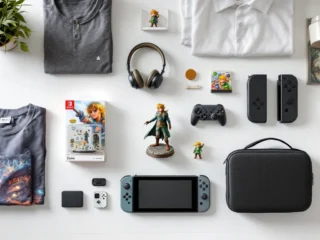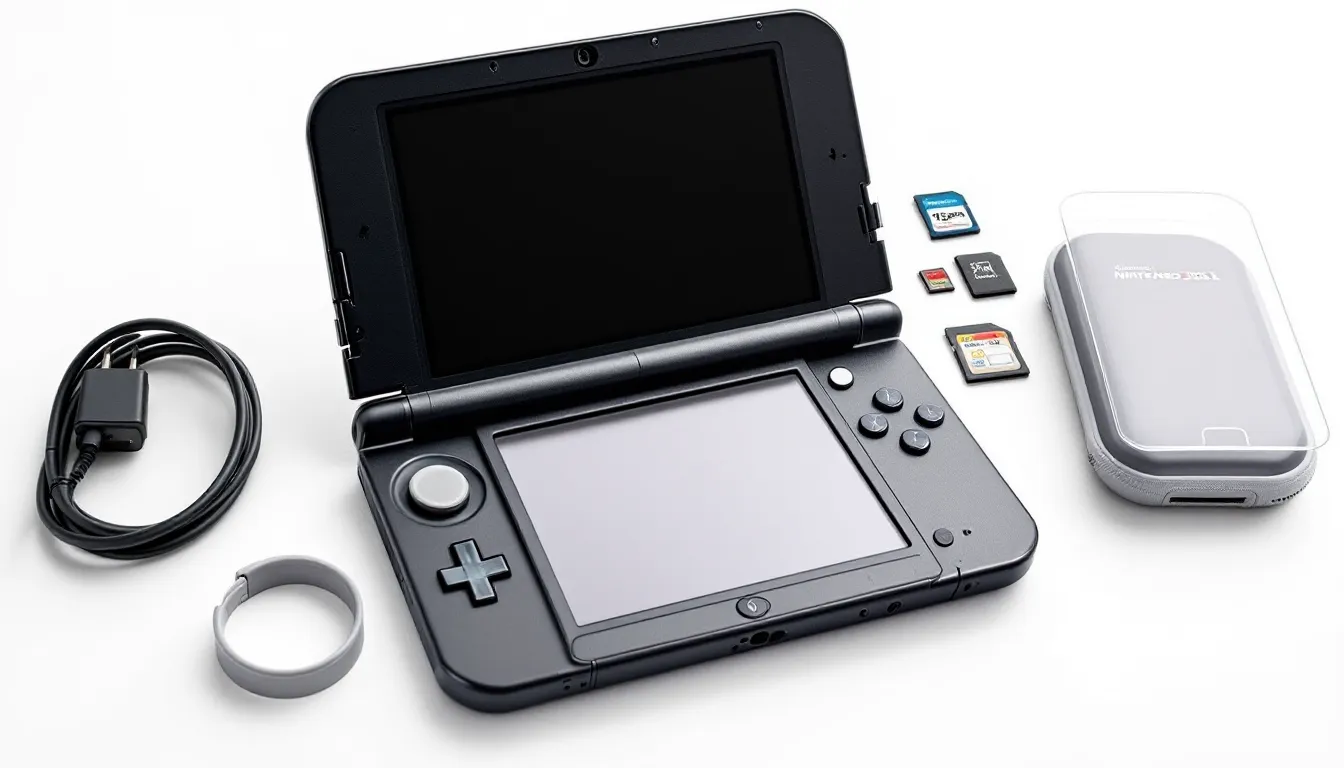
The Nintendo 3DS XL market is thriving in 2026, and if you’re hunting for one, you’re joining thousands of gamers who recognize the value of this handheld powerhouse. Whether you’re a collector, nostalgia seeker, or someone who wants access to an incredible library of games, finding a quality used 3DS XL requires more than a quick eBay search. The console’s prices have stabilized over the past few years, making it an increasingly smart investment for retro and modern handheld gaming. This guide walks you through everything you need to know before making your purchase, from spotting fakes to negotiating fair prices to maximizing your investment once the console is in your hands.
Key Takeaways
- A Nintendo 3DS XL for sale typically costs $150–$200 for units in good working condition, with special editions commanding premiums of $250–$350 depending on rarity and condition.
- Always inspect the hinge integrity, screen condition for dead pixels, and button responsiveness when evaluating a used 3DS XL to avoid purchasing units with costly repair needs.
- The Nintendo 3DS XL’s massive game library of 3,500+ titles, backward compatibility with DS games, and active modding community make it a worthwhile long-term investment for retro gaming enthusiasts.
- Purchase your Nintendo 3DS XL for sale from reputable sellers with 95%+ feedback ratings on platforms like eBay, or consider local marketplaces like Facebook to inspect the console in person before buying.
- Budget an additional $50–$100 for essential accessories including a carrying case, screen protector, microSD card, and replacement charging cable to maximize durability and enjoyment.
- Build a focused game collection of 10–20 quality titles prioritizing physical cartridges over digital downloads, as the 3DS eShop officially closed in March 2023 and digital-only titles are no longer accessible.
Why The Nintendo 3DS XL Remains A Sought-After Console
The Nintendo 3DS XL hasn’t aged poorly: it’s aged like fine wine. Released in 2012, the XL variant offered a larger 4.88-inch display compared to the standard model’s 3.53-inch screen, making it a favorite among players who wanted a more comfortable handheld experience. The bigger screen made 3D effects less painful to view during extended sessions, and the improved battery life (compared to the original 3DS) meant you weren’t tethered to a charger every few hours.
What keeps demand high in 2026? The game library is unbeatable. The 3DS boasts access to everything from The Legend of Zelda: A Link Between Worlds and Pokémon X/Y to Fire Emblem: Awakening and Monster Hunter 4 Ultimate. There’s no digital storefront drama, physical cartridges still work perfectly, and the eShop, while officially closed, doesn’t affect cartridge gameplay. Collectors recognize the 3DS XL as the sweet spot between nostalgic gaming and legitimate hardware durability. It’s also backward compatible with original Nintendo DS games, which means your 3DS XL opens up decades of handheld gaming history.
Then there’s the modding community. The 3DS remains highly moddable, enabling custom firmware installation for those interested in preservation, emulation, or accessing homebrew games. This technical depth attracts enthusiasts who want full control over their hardware, something newer consoles don’t easily allow. For competitive players, titles like Super Smash Bros. for Nintendo 3DS maintain active online communities even years after release, proving the console’s longevity in competitive circles.
What To Expect When Shopping For A Used 3DS XL
Identifying Console Condition And Authenticity
Nintendo 3DS XL units have been in circulation for over a decade, so condition varies wildly. You’ll see listings from pristine unboxed units to heavily used machines with scratched screens and worn buttons. Learn to spot the difference, and know that “good condition” in the secondhand market often means different things to different sellers.
Authenticity matters because counterfeit 3DS consoles exist, though they’re rarer than fake Nintendo Switch units. Real 3DS XL consoles have specific weight (around 250 grams), a clean LCD/LED display with no obvious manufacturing defects, and properly functioning buttons with satisfying tactile feedback. The shell should have consistent color with no obvious paint damage or discoloration. Check the serial number on the back: Nintendo’s database can technically verify original hardware, though it’s time-consuming.
Focus on these physical markers when evaluating a used unit:
- Screen condition: Look for dead pixels, burn-in marks, or horizontal lines. A few light scratches on the plastic screen protector are normal: actual LCD damage is a deal-breaker unless you plan to replace it.
- Hinge integrity: The fold mechanism is a known weak point. Open and close it slowly: it should be firm but smooth. Any creaking, loose feeling, or resistance indicates potential hinge problems.
- Button response: All buttons should press with snappy feedback. Sticky D-pads or sluggish shoulder buttons suggest heavy use or possible internal damage.
- Charging port: Ask the seller if the unit charges reliably. A loose port that requires wiggling the charger is salvageable but annoying.
- Cosmetics: Scratches, wear on edges, and minor discoloration are expected. Cracked shells or missing parts reduce value significantly.
If possible, ask the seller for photos of the startup screen and a quick video of the console powering on. Legitimate sellers usually oblige, it’s proof the unit actually works.
Price Range And Market Value In 2026
Nintendo 3DS XL prices have settled into a predictable range. A standard black or white unit in good working condition typically runs $150–$200. Special editions (like the Hylian Gold edition or Pikachu edition) command premiums, often $250–$350 depending on condition and rarity. Absolutely pristine, sealed-in-box units can push $400–$600 in collector circles, but those are exceptions.
Factors affecting price:
- Color/edition: Standard black and white are most common and cheapest. Limited editions cost more. Transparent shells and metallic finishes fall in the middle.
- Included accessories: A bundle with the original charger, stylus, and carrying case justifies a higher price. Missing the charger alone typically deducts $20–$30.
- Game inclusions: If a game is bundled, it should factor into the total. Mario Kart 7, New Super Mario Bros. 2, and Pokémon titles bump value by $30–$50 depending on the title’s current market price.
- Condition: A fully functional unit with minimal cosmetic wear sits at the top of the range. Units with minor issues (loose hinge, scuffed screen, dead pixels) drop by $30–$50 each.
- Regional variant: North American and European versions are similarly priced. Japanese imports sometimes cost less but lack English language support on system menus.
As of early 2026, these are realistic asking prices for different condition tiers:
- Excellent (minimal wear, all original parts): $180–$220
- Good (light wear, fully functional): $150–$180
- Fair (visible wear, fully functional, minor issues): $120–$150
- Poor (heavy wear, functional but cosmetically rough): $90–$120
If you see a 3DS XL listed for under $80, investigate why. A price that undercuts the market by 20%+ usually indicates the console has problems the seller hasn’t disclosed.
Where To Find Nintendo 3DS XL Units For Sale
Online Marketplaces And Retailers
The internet offers the widest selection of 3DS XL consoles, though quality control varies by platform.
eBay remains the dominant marketplace for retro gaming hardware. Sellers range from casual gamers offloading their collection to professional resellers. Look for high-feedback sellers (95%+ positive rating) and read reviews carefully, people will mention if a console has issues. eBay’s buyer protection is solid, though disputes can be frustrating. Auction-style listings often end up cheaper than fixed-price sales, but you risk bidding wars.
Facebook Marketplace has exploded as a source for used gaming gear. Local sellers mean you can inspect the console in person before paying, and you often avoid shipping costs. The downside? No buyer protection. Meet in safe public spaces, ask for a power-on demonstration, and bring your phone to check the console’s specs on the spot. Deals tend to be better here because there’s no middle-person taking a cut.
Declassified/specialized retro game retailers (both online and brick-and-mortar) sell refurbished or used 3DS XL units with limited warranties. Retailers like Game Stop sometimes stock used consoles at competitive prices, though availability is spotty. Specialized retro gaming shops often curate their used inventory, you’ll pay slightly more, but the console typically arrives pre-tested and with basic warranty protection.
Amazon occasionally lists used 3DS XL units through third-party sellers, though you’re paying for Amazon’s buyer protection. New old stock does appear occasionally, though at premium prices.
When shopping online, filter your search to include the specific model you want (standard black, Hylian Gold, Pikachu, etc.) and condition. Read descriptions carefully, “like new” usually means excellent cosmetic and functional condition, while “used” is vague. Ask sellers direct questions via messages if the listing doesn’t clarify critical details.
Local Options And Private Sellers
Local buying has real advantages. You inspect the hardware yourself, negotiate on the spot, and avoid shipping damage. Game stores, pawn shops, and secondhand retail chains often stock used 3DS units. Quality varies: pawn shops in particular may have limited knowledge about gaming hardware, so you need to know what you’re looking for.
Word-of-mouth networks, friend groups, local gaming communities, and retro gaming meetups, sometimes yield unexpected deals. Gamers who’ve moved on from handheld gaming might be willing to sell directly to someone in their community at fair prices. Discord servers and Reddit communities dedicated to retro gaming often have “for sale” channels where locals connect.
Craiglist has declined in popularity compared to Facebook Marketplace, but it still exists and occasionally surfaces good deals. Use the same caution as Facebook, meet in safe places, bring a charger or power bank to test the unit, and don’t carry large amounts of cash.
Essential Features And Specifications To Compare
Screen Size And Display Quality
The “XL” in 3DS XL isn’t just marketing. The larger 4.88-inch display is genuinely more comfortable for extended play sessions compared to the 3DS standard model’s 3.53-inch screen. If you’re comparing multiple units, the size difference is immediately noticeable, the XL feels less cramped and the 3D effect is more forgiving on your eyes.
Display quality matters. All 3DS XL units use TN-panel LCDs with comparable specs, but age affects how they look. A well-maintained screen appears vibrant and crisp. Heavily used units develop subtle color shifts, slight cloudiness, or faint dead pixels (tiny dark or bright dots scattered across the display). One or two dead pixels are cosmetic issues: five or more suggests the panel is degrading. Screen scratches on the plastic protector are cosmetic and annoying but don’t affect gameplay. Actual LCD damage, like a crack or obvious discoloration, requires professional replacement, which costs $40–$80 depending on your region.
Brightness levels vary slightly between units. Older 3DS XL models sometimes show reduced brightness as LCD backlights age. When testing or asking about a unit, verify it lights up at maximum brightness without obvious dimness or discoloration.
Storage Capacity And Game Library Considerations
This is crucial: the 3DS XL comes with 4GB of internal storage, which is frankly tiny by modern standards. This storage is split between system files and game installations. Notably, the 3DS uses cartridges primarily, you don’t download most games to internal storage like you would on a Switch. But, some eShop titles are download-only, and any digital purchases consume that 4GB pool quickly.
A microSD card expansion is essentially mandatory if you care about digital content. The 3DS XL accepts microSD cards up to 2GB (though people have successfully used higher capacities with mixed results, 32GB cards work but aren’t officially supported). If the unit doesn’t come with an SD card, budget $10–$20 for one. Conversely, if the seller includes a card loaded with games, that’s a bonus, though verify the titles are legitimate.
For physical game collection, storage isn’t a limit, you can carry all your cartridges in a case. The real consideration is game availability. The 3DS library is enormous: over 3,500+ games across the entire ecosystem (including DSiWare and Virtual Console titles). Before buying a console, research which games you actually want to play. Cartridge prices fluctuate:
- Popular AAA titles (Mario, Zelda, Pokémon, Fire Emblem): $20–$45 used
- Mid-tier games (niche JRPGs, puzzle games): $10–$25
- Rare or limited releases: $50–$150+
- Virtual Console/DSiWare: Varies, but eShop is officially closed (though purchases from before shutdown still work)
Factor game costs into your budget. A $150 console is great until you realize you need $200 worth of games to have fun.
Color Options And Aesthetic Appeal
Aesthetics matter to handheld gamers, you’re holding it for hours. The standard 3DS XL came in black, white, and red, with subsequent special editions releasing throughout its lifespan. Notable variants include:
- Hylian Gold: Inspired by The Legend of Zelda, limited release. Uncommon and pricier ($200–$300 used).
- Pikachu Edition: Yellow with Pikachu branding. Moderate premium due to Pokémon appeal ($180–$240).
- Super Mario Black Edition: Common, standard pricing.
- Clear/Transparent variants: Aftermarket shells are available if you want custom aesthetics.
- Metallic finishes (Gold, Silver, Blue): Regional variants. Less common in North America.
When comparing units, color choice is personal, but recognize that rare editions hold value better and cost more upfront. Standard black or white units are cheaper and easier to find. If you love the aesthetic of a special edition and can afford it, go for it, you’ll enjoy the console more. If budget is tight, a standard-color unit is perfectly fine.
Negotiating And Making A Smart Purchase
Red Flags To Avoid When Buying Used
Some console issues are dealbreakers. Before you commit to a purchase, watch for these warning signs:
“Powers on intermittently” or “sometimes doesn’t turn on”: This suggests a failing power button or battery connector. It’s a hardware repair that requires opening the console, and it’s not trivial. Avoid unless you’re comfortable with DIY repairs.
Visible water damage: Any discoloration, corrosion on the charging port, or reported water exposure means internal components are compromised. Even if it powers on, water damage causes slow failures. Skip it.
Grinding or clicking sounds when powered on: This indicates possible hard drive failure (yes, 3DS has internal storage components). The console might work now but could die unexpectedly.
Severely scratched or cracked LCD screen: Replacement screens are available ($40–$80 + labor), but that’s extra cost on top of the console price. Factor it in or pass.
Missing or corroded charging port: A loose charging port is annoying: a corroded or visibly damaged port might not accept chargers reliably. This requires replacement and adds cost.
“I lost the charger” but can’t demonstrate a power-on: You can’t verify the console actually works. Proprietary 3DS chargers cost $15–$25 new, but this is a red flag. Insist on testing with a working charger before committing.
Price too good to be true: If a unit with accessories is listed at half market value, something’s wrong. Even “slightly damaged” consoles have realistic pricing. Extreme discounts mean hidden issues.
Seller is evasive about condition or history: Legitimate sellers answer direct questions. If someone won’t tell you if the hinge feels tight, if the screen has dead pixels, or how many hours the console has been used, they’re hiding something.
Questions To Ask Sellers
Before buying, ask these specific questions:
-
“How many hours has this console been used, and when was it last actively played?” Recent usage often means better overall condition. A console in a drawer for five years might have battery or connection issues.
-
“Does the hinge feel firm? Any creaking or loose feeling when you open/close it?” The hinge is a known weak point. A tight, smooth hinge is what you want.
-
“Are there any dead pixels on the screen, and have you noticed any discoloration?” Sellers often miss these, so ask directly. Even one or two isn’t a dealbreaker, but you should know.
-
“Does the charging port feel tight? Do you have to fiddle with the charger to get it to connect?” A loose port is annoying but fixable: a corroded one is a bigger issue.
-
“Are all the buttons responsive? Any sticky buttons or D-pad issues?” Button replacements are inexpensive if needed, but you should know about existing problems.
-
“What’s included in the sale? Charger, stylus, carrying case, SD card?” Factor missing items into your offer.
-
“Has this console ever been opened, modded, or had any repairs?” Custom firmware or internal repairs don’t necessarily disqualify a unit, but you deserve transparency. Repaired units can be reliable or problematic depending on the quality of work.
-
“Can you power it on and show me the home screen?” Ask the seller for photos or a short video. Legitimate sellers oblige.
Good sellers answer these thoroughly. Evasive answers are a signal to look elsewhere.
Maximizing Your 3DS XL Investment Post-Purchase
Must-Have Accessories For Your Console
The 3DS XL alone is just the foundation. Smart accessory investments enhance durability and enjoyment.
Carrying case or pouch ($10–$25): The 3DS XL fits in soft sleeves or hard cases. A good case protects against drops and scratches. Look for cases with game cartridge pockets if you plan to travel with multiple games.
Screen protector ($8–$15): Even a minor drop can crack the upper or lower LCD. A tempered glass or film protector reduces this risk significantly. Apply it carefully, air bubbles are annoying.
MicroSD card ($10–$20): As mentioned, nearly mandatory if you’ll download anything. A 16GB card is overkill for the 3DS’s storage limits, but it’s cheap insurance and lasts forever.
Replacement charging cable ($12–$20): The proprietary 3DS charger is durable, but redundancy is useful if you travel or game in multiple rooms. Knock-off chargers are risky, stick with officially licensed or reputable third-party options.
Game cartridge holder ($5–$10): If you’re building a collection, a small case with slots keeps cartridges organized and protected from damage.
Stylus replacements ($3–$5): The included stylus is easy to lose. Grab a pack of replacements.
Non-essential but nice:
- Thumb grip or hand strap: Reduces fatigue during marathon gaming sessions.
- LED screen replacement kit ($30–$50): If your screen has died or is discolored, a new LCD panel and tools are available. This is DIY territory: only pursue if you’re comfortable with electronics.
- Custom shell ($15–$30): If you want to change the console’s appearance, replacement shells and painting kits exist. This requires disassembly and some mechanical skill.
Building Your Game Collection
The game library is the 3DS XL’s true value. Here’s how to build a smart collection without overspending.
Start with the essentials: These are legendary titles that define the 3DS experience:
- The Legend of Zelda: A Link Between Worlds: Spiritual successor to A Link to the Past. Essential.
- Fire Emblem: Awakening: Defined the modern tactical RPG revival. Superb.
- Pokémon X, Y, Omega Ruby, or Alpha Sapphire: Generation VI. Accessibility and content justify any of these.
- New Super Mario Bros. 2: Solid platformer, accessible to all skill levels.
- Super Smash Bros. for Nintendo 3DS: Fighting game with depth and legacy.
- Mario Kart 7: Still holds up competitively. Active online community.
Research before buying. According to Nintendo Life, top-rated 3DS games often cost $20–$45 used depending on rarity. Check reviews and gameplay videos to ensure a title matches your preferences, buyer’s remorse stings when you’ve spent $30 on a game you don’t enjoy.
Explore niche titles: The 3DS has incredible depth beyond blockbusters. JRPGs like Etrian Odyssey, strategy games like Tactics Ogre: Let Us Cling Together, and quirky games like Bravely Default offer unique experiences. These are often cheaper than AAA titles and deliver exceptional value.
Factor in eShop availability: The Nintendo eShop for 3DS officially closed in March 2023. Any games you wanted to download digitally must be purchased before that date. Physical cartridges are unaffected, but digital-only titles are gone forever. Plan around this, prioritize physical cartridges.
Buy strategically: Cartridges fluctuate in price based on rarity and demand. Common releases stay affordable. Limited editions or early reprints can spike in price. If a game you want is rising in value, grab it sooner rather than later. Conversely, popular titles see price drops as more copies flood the secondhand market.
Join communities: Subreddits and Discord servers focused on 3DS gaming have “for sale” channels and trading communities. Local connections often yield better deals than eBay. Building a relationship with other collectors opens doors to bulk purchases and fair trades.
As reported by Digital Trends, physical media for retro consoles has appreciated in value over recent years. A thoughtfully curated 3DS game collection is both enjoyable and a reasonable long-term investment, you’ll recoup most of your game purchases if you ever sell the collection intact.
Don’t feel pressured to own everything: The 3DS has thousands of games. Aim for 10–20 titles that genuinely interest you. Quality over quantity makes for a more satisfying collection. You’ll actually replay those games instead of letting them gather dust.
Conclusion
Buying a used Nintendo 3DS XL in 2026 is a smart move if you approach it methodically. The console has proven its longevity over fourteen years, the game library is unmatched for handheld gaming, and market prices have stabilized into a fair range. Whether you’re chasing nostalgia, collecting rare games, or diving into a backlog of classic titles, the 3DS XL delivers genuine value.
Your success hinges on patience and due diligence. Take time to inspect potential purchases thoroughly, ask direct questions, and avoid deals that seem too good to be true. A quality 3DS XL, paired with accessories and a curated game collection, becomes a gaming tool you’ll return to for years. The handheld gaming landscape has evolved, but the 3DS remains proof that great games and hardware design age better than hype cycles. Go find a good one, they’re out there, and Siliconera along with other gaming outlets continue covering the retro gaming renaissance that keeps the 3DS thriving. Your investment won’t just be a console: it’ll be a portal to some of gaming’s best moments.
About The Author