Nintendo’s headquarters in Kyoto, Japan isn’t just an office building, it’s the nerve center of one of gaming’s most influential companies. For over a century, this location has served as the birthplace of iconic franchises like Mario, Zelda, and Pokémon that defined entire generations of gaming. Understanding what happens inside these walls gives gamers insight into how their favorite games come to life, from early concept stages through global release. The facility represents Nintendo’s commitment to innovation, creativity, and quality that fans have come to expect from the company’s releases.
Key Takeaways
- Nintendo headquarters in Kyoto, Japan serves as the creative nerve center where iconic franchises like Mario, Zelda, and Pokémon are designed, developed, and perfected before reaching global audiences.
- The company’s commitment to in-person collaboration and creative spaces within the Kyoto campus drives innovation and cross-functional teamwork, even as remote work becomes more common across the gaming industry.
- Nintendo’s Kyoto headquarters maintains strict security and isn’t open to public tours, but the Nintendo Museum in nearby Uji offers fans insight into the company’s creative process and gaming legacy.
- The global office network—including Nintendo of America, Nintendo of Europe, and R&D facilities in Uji—enables 24-hour development cycles while keeping the core creative vision centered in Kyoto.
- Nintendo’s choice to keep headquarters in Kyoto rather than relocate to Tokyo reflects the company’s values around stability, heritage, and deep roots in the city’s tradition of craftsmanship and aesthetic design.
- The headquarters facilities blend traditional Japanese architecture with modern design principles, including development labs, motion capture studios, and collaborative spaces specifically designed to encourage creative iteration and playtesting.
A Brief History of Nintendo’s Corporate Evolution
From Playing Card Manufacturer to Gaming Giant
Few people realize that Nintendo didn’t start as a video game company. Founded in 1889 by Fusajiro Yamauchi, Nintendo began manufacturing playing cards in Kyoto, a business it still maintains today, though gaming is obviously the focus now. The company didn’t pivot to video games until the 1970s, after decades of dabbling in toys and other entertainment products. This pivot proved transformative, turning a regional Japanese business into a global powerhouse.
The shift accelerated dramatically after Nintendo released the Nintendo Entertainment System (NES) in North America in 1985. Coming off the back of the 1983 video game crash that nearly killed the industry, Nintendo’s quality control and innovative marketing resurrected consumer confidence. Games like Super Mario Bros. became cultural phenomena that extended far beyond gaming circles. By the 1990s, Nintendo was undisputed royalty in the console space, with franchises that are still generating billion-dollar revenues today.
The Evolution of Nintendo’s Physical Headquarters
Nintendo’s physical headquarters has evolved alongside the company’s business trajectory. The original offices in Kyoto were modest compared to what exists today, but they served the company’s needs through the retro era. As Nintendo expanded globally and began developing more complex games, the headquarters underwent significant expansions to accommodate larger development teams and modern facilities.
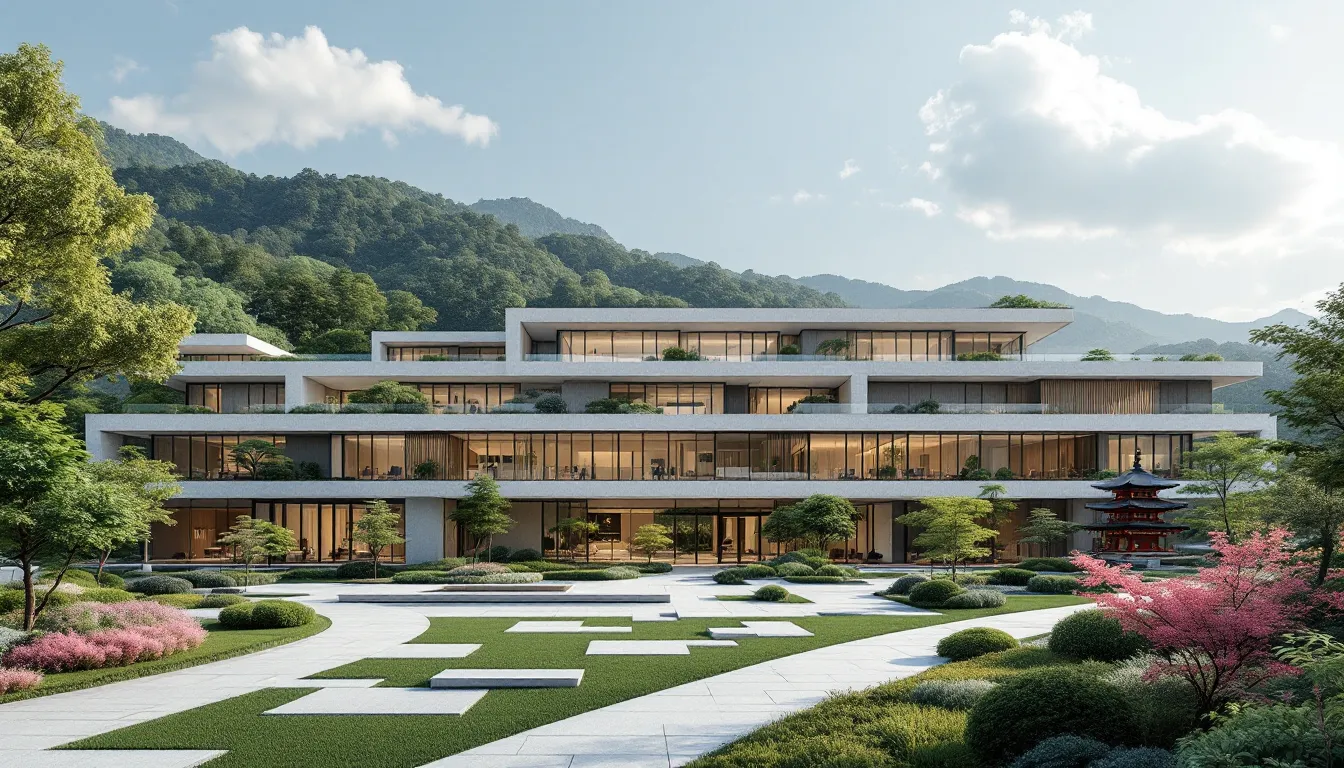
The current headquarters campus, which received major renovations and expansions in the 2000s, reflects Nintendo’s commitment to creating an environment where innovation can thrive. The buildings blend traditional Japanese architectural elements with modern design principles, creating a workspace that feels distinctly Nintendo. This physical evolution mirrors the company’s digital evolution, from cartridge-based simplicity to the cloud infrastructure supporting modern gaming.
Where Is Nintendo Headquarters Located?
Kyoto, Japan: The Heart of Nintendo
Nintendo’s main headquarters is located in Kyoto, Japan, a city with deep cultural and historical significance. Kyoto was Japan’s imperial capital for over a thousand years and remains a hub of Japanese tradition and artistic heritage. It’s fitting that a company obsessed with creativity and craftsmanship chose to base itself here rather than in Tokyo, where most major corporations cluster. The city’s emphasis on aesthetics and tradition has arguably influenced Nintendo’s design philosophy across generations of products.
Kyoto’s location in western Honshu makes it accessible but also distinct from Japan’s corporate megacenter. This geographic choice reflects Nintendo’s independence and willingness to operate on its own terms. The company has deep roots in the region, and moving away from Kyoto has never been seriously considered even though the economic advantages of relocating to Tokyo. This loyalty to the city where Nintendo was founded speaks to the company’s values around stability and heritage.
The Main Campus and Surrounding Facilities
The main Nintendo headquarters occupies a substantial campus in the Higashiyama Ward area of Kyoto. The facility includes multiple buildings housing different departments, though exact layouts are kept relatively private, Nintendo guards its internal operations carefully. What’s publicly known is that the campus contains development studios, administrative offices, and extensive research facilities spread across several acres.
Beyond the main campus, Nintendo maintains satellite facilities in Kyoto and throughout Japan. The company also operates a significant research and development facility in Uji, a neighboring city just south of Kyoto. This multi-facility approach allows Nintendo to compartmentalize different aspects of game development while keeping the creative core in Kyoto. The surrounding area has become something of a pilgrimage site for gaming fans visiting Japan, though access to the facilities themselves remains restricted to employees and occasional official tours.
Inside the Nintendo Headquarters: Facilities and Design
Architecture and Aesthetic Philosophy
Nintendo’s headquarters buildings reflect a philosophy that function and beauty should coexist. The architecture blends minimalist modern design with subtle nods to traditional Japanese aesthetics. Large windows flood the offices with natural light, and outdoor spaces are integrated throughout the campus to encourage creativity and informal collaboration. This design philosophy extends to individual workspaces, which tend toward functionality over flashiness.
The color palette and spatial design reportedly encourage creativity without distraction, bright enough to energize but not so stimulating that focus becomes difficult. Nintendo’s approach to office design mirrors its approach to game design: every element has a purpose, and unnecessary complexity is eliminated. The campus facilities have been compared to creative think tanks more than sterile corporate offices, which aligns with Nintendo’s public statements about prioritizing employee wellbeing and creative output.
Development Labs and Creative Spaces
Inside the headquarters, multiple development labs house teams working on different projects simultaneously. These aren’t just computer workstations, they’re equipped with hardware for testing games across Nintendo’s full ecosystem. Teams have access to development kits for Switch, past consoles, and experimental hardware for future projects. The labs also contain dedicated spaces for motion capture, audio production, and quality assurance testing.
Creative spaces designed for brainstorming and informal collaboration are scattered throughout the campus. These areas prioritize flexibility, allowing teams to reconfigure spaces for different types of work. Some areas reportedly feature playtest zones where developers can watch external testers experiencing their games in real-time. This commitment to playtesting and iteration during development is central to how Nintendo creates games that feel polished on day one, which is why Nintendo releases tend to have fewer post-launch patches than competitors’ titles.
Employee Amenities and Workplace Culture
Nintendo’s headquarters includes various amenities designed to support employee wellbeing and retention. The campus has cafeterias, recreational facilities, and spaces designed for casual socializing. While Nintendo’s workplace culture is renowned for being intense, game development is demanding work, the company provides perks that acknowledge this reality. Fitness facilities and relaxation areas help employees manage the stress that comes with shipping major titles under tight deadlines.
The company also invests heavily in employee development and cross-training. Employees are encouraged to experiment across different roles and disciplines, which drives the kind of creative cross-pollination that produces innovative games. Nintendo’s approach to hiring emphasizes fit with the company culture over pure technical credentials, resulting in teams that genuinely collaborate rather than compete internally. This cultural cohesion is often cited by industry observers as a key reason Nintendo maintains creative consistency across its diverse portfolio of franchises.
The Role of Headquarters in Game Development
Where Innovation Happens: R&D and Design Teams
The Kyoto headquarters is where the majority of Nintendo’s game design happens, from initial concept through pre-production stages. The company’s legendary designers, including luminaries like Shigeru Miyamoto and Aonuma Eiji, maintain offices here and spend significant time collaborating with development teams. This concentration of creative talent in one location, even though modern remote work trends, reflects Nintendo’s belief that in-person collaboration drives innovation.
The R&D department at headquarters operates differently than typical corporate research. Rather than abstract theoretical work, Nintendo’s R&D focuses on practical innovations in gameplay, hardware, and how players interact with games. This might mean prototyping new controller configurations, experimenting with hybrid gameplay mechanics, or exploring how AI can enhance single-player experiences. The outputs from R&D directly influence game development, meaning the headquarters functions as both idea factory and quality control hub for the company’s output.
Collaboration Between Nintendo Divisions
Nintendo operates multiple semi-autonomous divisions (hardware, first-party software, third-party relations) that must coordinate closely to succeed. The headquarters serves as the natural meeting point where these divisions align on strategy and share resources. Hardware engineers collaborate with game designers to ensure new consoles have killer applications ready at launch. The publishing division coordinates with developers to understand which projects need support and which can operate independently.
Cross-functional teams at headquarters work on projects that span multiple divisions. When a new console launches, teams from hardware, software, marketing, and business development coordinate extensively at the campus to ensure a unified go-to-market strategy. This coordination happens more smoothly when teams are physically proximate and can grab lunch together to discuss problems. The headquarters acts as the connective tissue holding Nintendo’s various business units together while allowing individual divisions to maintain creative autonomy.
Global Operations: Beyond the Kyoto Campus
Regional Headquarters and Satellite Offices
While Kyoto remains the creative and strategic heart, Nintendo maintains significant operations on every continent. Nintendo of America, based in Redmond, Washington, handles all North American publishing, marketing, and localization. Nintendo of Europe operates from Frankfurt, Germany, managing the European and Middle Eastern markets. These aren’t token offices, they employ thousands of people and make critical decisions about how Nintendo games are adapted for their respective regions.
Plus to the major regional hubs, Nintendo has satellite offices in key gaming markets. Japan maintains additional facilities in Tokyo for business operations, Tokyo for hardware testing, and the Uji facility mentioned earlier for specialized R&D. Each office is positioned to serve its market efficiently while maintaining alignment with the Kyoto-based creative vision. This global network allows Nintendo to operate in North America’s timezone for live service games while leveraging Kyoto’s expertise for core design and innovation.
How the Global Network Supports Game Publishing
The global office network creates a 24-hour development and support cycle. While the Kyoto team sleeps, teams in America and Europe can continue work on projects, handle live service operations, and manage player communities. This asynchronous collaboration model works because clear design documentation and vision statements flow from Kyoto, allowing regional teams to execute with confidence. Games like Pokémon and Fire Emblem, which have massive global communities, benefit enormously from this distributed model.
Regional offices also handle crucial localization work that goes far beyond simple translation. Japanese games often require cultural adaptation for Western audiences, humor needs tweaking, cultural references need explanation, and gameplay balance might shift based on regional play styles. Nintendo’s regional teams understand their markets deeply enough to make these decisions with authority rather than waiting for approval from Kyoto. This decentralized execution combined with centralized creative vision is part of why Nintendo games feel authentically Nintendo regardless of where they’re developed and published.
Visiting Nintendo Headquarters: What Fans Should Know
Public Access and Tour Opportunities
Unfortunately for gaming fans, Nintendo’s headquarters isn’t open for public tours under normal circumstances. The facility is a working development studio, not a museum, and Nintendo maintains strict security around its creative operations. Occasionally, Nintendo will host official tours for media, industry partners, or special occasions, but these are rare and typically not available to the general public. Fans shouldn’t expect to walk up and see the building, Nintendo takes the privacy of its work seriously.
But, Nintendo has created other ways for fans to experience the company’s legacy and culture. The Nintendo Museum, which opened in 2024 in Uji (the location of the R&D facility), provides extensive exhibits covering Nintendo’s entire history from playing cards to modern games. While this isn’t the headquarters itself, it’s the closest fans can get to understanding the company’s creative process and heritage. The museum includes interactive exhibits that let visitors try classic games and see development artifacts that give insight into how modern titles come together.
Nearby Attractions for Gaming Enthusiasts
If you’re making a pilgrimage to Kyoto to see where Nintendo magic happens, the surrounding area offers plenty for gaming enthusiasts. Kyoto itself is one of Japan’s premier tourist destinations with temples, gardens, and cultural sites that influenced Nintendo’s aesthetic sensibilities. The city’s traditional architecture and design philosophy permeate through Japanese game design, and visiting helps you understand why Nintendo chose to base itself here.
The Nintendo Museum in nearby Uji should be a mandatory stop, offering hours of content for dedicated fans. Beyond Nintendo-specific attractions, Kyoto hosts numerous arcades featuring classic and modern Japanese games, reflecting the broader gaming culture that shaped Nintendo’s identity. Gematsu covers Japanese game releases and announcements if you want to stay current on what’s happening in Japan’s gaming industry while planning your trip. The Kyoto Station area is modern and well-connected, making it relatively easy to visit both the headquarters area and the Nintendo Museum in a single trip, though you’ll only see the outside of the HQ building.
The Future of Nintendo Headquarters
Expansion Plans and Modernization Initiatives
Nintendo has indicated plans to modernize and expand its Kyoto headquarters over the coming years. These plans focus on improving employee facilities, updating development infrastructure to handle increasingly complex games, and improving sustainability. The company hasn’t announced dramatic relocations or radical transformations, instead, the approach is evolutionary, maintaining the core identity while updating what needs updating.
The expansion is motivated partly by workforce growth. As Nintendo’s development teams expand to handle Switch development, potential next-generation console work, and live service games, office space requirements have increased. The company is also investing in more sophisticated motion capture facilities and hardware testing labs to support cutting-edge game development. These improvements will keep Nintendo’s headquarters competitive with other world-class creative facilities in terms of infrastructure and technology.
Adapting to Remote Work and Digital Innovation
Like every company, Nintendo has learned to integrate remote work into its operations post-2020. But, the company’s leadership has emphasized that in-person collaboration remains crucial for game design work. While some administrative and support roles operate remotely, core creative teams maintain a strong presence at the Kyoto campus. Nintendo’s view is that the spontaneous conversations, quick iteration cycles, and creative energy of being in the same space cannot be fully replicated digitally.
The headquarters is being updated to support hybrid work better, with improved video conferencing facilities, collaborative software, and flexible workspaces that accommodate both in-person and remote contributors. This isn’t a wholesale pivot to remote-first operations but rather a pragmatic integration of remote capabilities with maintained emphasis on physical co-location. Looking ahead, the headquarters will likely continue to serve as the creative core while regional offices handle more independent work. Nintendo Life provides updates on Nintendo news if you want to track announcements about facility changes as they’re announced. The company’s commitment to the Kyoto location as its headquarters appears absolute for the foreseeable future.
Conclusion
Nintendo’s headquarters in Kyoto represents far more than just office space, it’s the physical manifestation of the company’s creative philosophy and values. From playing card manufacturing through to shipping AAA games that define consoles, Nintendo has maintained its headquarters in Kyoto while building a global operation that brings these games to players worldwide. The facility reflects decades of accumulated expertise, intentional design choices that prioritize creativity, and a company culture that treats game development as both art and craft.
Understanding what happens inside those Kyoto buildings helps explain why Nintendo games consistently feel polished, innovative, and fundamentally different from competitors’ titles. The headquarters isn’t just where decisions get made, it’s where the creative vision that defines Nintendo gets refined, tested, and perfected before reaching players’ hands. Whether you’re visiting Kyoto to see where gaming history is made or simply curious about how your favorite games come to life, the headquarters represents something special in gaming: a company that has maintained creative independence and quality standards for over a century while adapting to technological change. Japanese gaming coverage from Siliconera provides ongoing insights into how Nintendo and other Japanese studios operate if you want to dive deeper into the gaming landscape that shaped the company’s identity.
About The Author