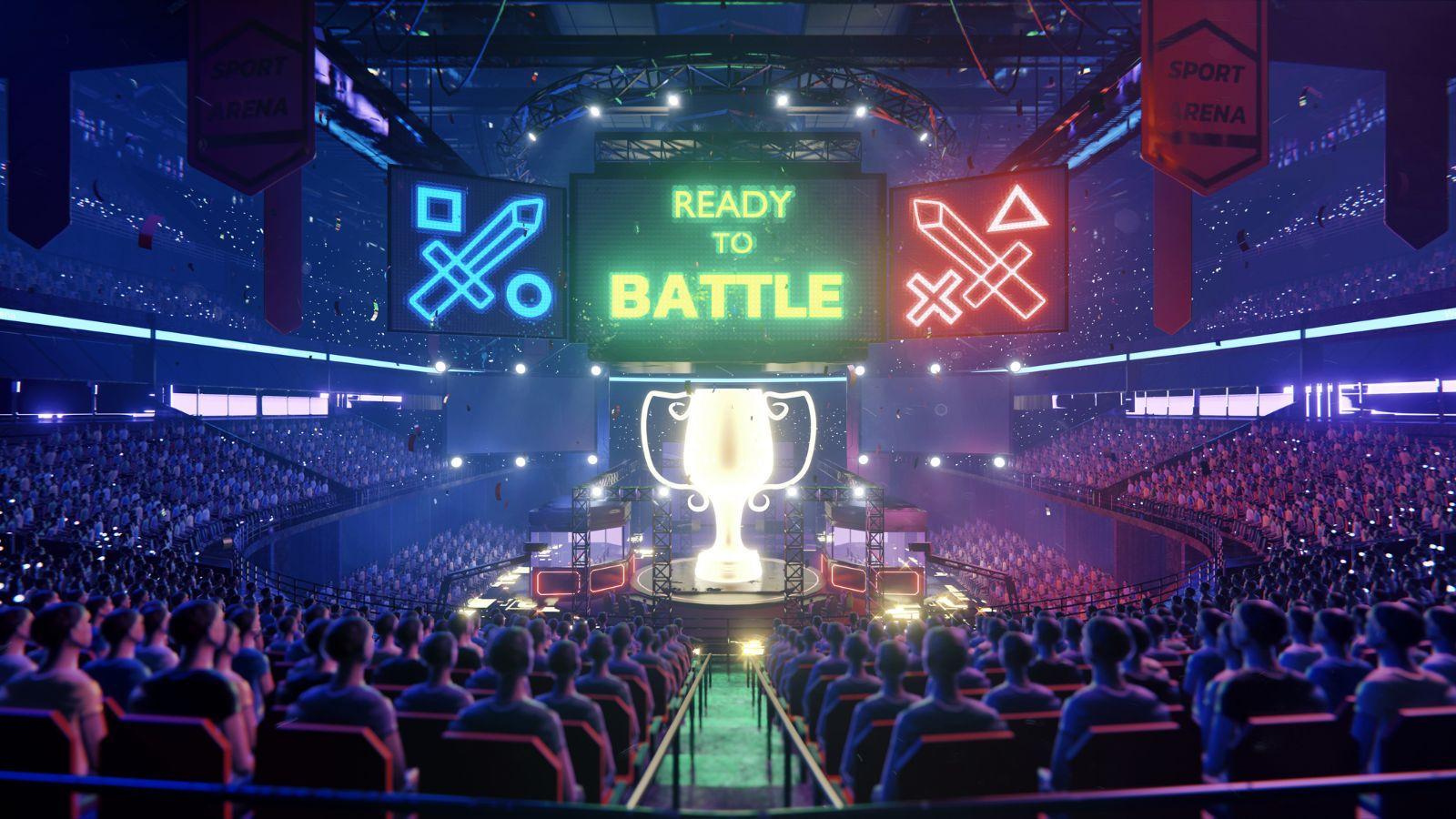
Esports leagues increasingly offer in-game items, points, and access to special missions for watching official broadcasts. This approach addresses a practical challenge: several weeks may separate the opening matchday from the tournament final, while audience interest can fluctuate throughout the season. Rewards give viewers another reason to follow the group stage, discover less familiar teams, and return after an individual series has ended. As a result, promotional activity can support multiple stages of a competition rather than concentrating exclusively on the championship match.
Live Broadcasts Become More Valuable to Viewers
A standard advertisement can announce the start of a tournament, but it does not ensure that viewers will remain connected throughout a lengthy broadcast. A watch-reward system adds a defined incentive linked to the conditions of a particular campaign. For example, one item may unlock after two hours of eligible viewing, another after four hours, and an event-exclusive reward during the final. Where progress tracking is available, participants can see how much qualifying watch time remains before the next milestone. For organizers, this structure can encourage viewers to return across several matches and reduce audience losses between major stages.
Tournament schedules, statistics, third-party services such as jeetbet, and official streaming channels may all appear alongside one another online, but only broadcasts listed in the campaign rules normally count toward rewards. Viewers may need to sign in to the streaming service, connect a gaming account, or watch through a designated esports platform. Account linking associates an earned reward with the correct in-game profile; it does not by itself confirm active attention to the broadcast. Depending on the system, an item may be delivered automatically after the requirements are met or may first need to be claimed through a Drops inventory page.
Rewards Keep Audiences Engaged Between Key Matches
These programs can be especially useful during the early stages, as finals already tend to attract substantial attention. Group-stage matches may span several days, take place at inconvenient times, or feature teams with smaller established audiences. Organizers can distribute rewards across the calendar to encourage repeat viewing. One item might be available during the opening week, another during the playoffs, and a separate collectible during the championship broadcast. This sequence connects individual matchdays within a broader seasonal campaign without guaranteeing that every participant will receive every reward.
How a Viewing Program Is Organized
An effective system should be understandable before the tournament begins, since unclear eligibility requirements can reduce confidence and generate support requests. Viewers need information about participating channels, qualifying dates, required watch time, account-linking procedures, and whether rewards must be claimed manually. The perceived value of an item should also reflect the effort required to obtain it. Asking viewers to watch for many hours in exchange for a minor reward may limit participation. A typical watch-time campaign may include the following stages:
- signing in and linking a gaming account to the supported streaming platform;
- watching an official broadcast or another channel enabled for the campaign;
- accumulating qualifying watch time during the designated period;
- claiming or receiving a reward after reaching the required threshold;
- unlocking an additional item during a specified playoff or final broadcast.
Organizers should also consider time zones and avoid making uninterrupted attendance during one lengthy broadcast the only route to a reward. Where the platform and campaign rules permit it, watch time can accumulate across several days and participating channels. A viewer might watch two hours on Friday, three on Saturday, and complete the requirement during Sunday’s final. However, only one eligible stream may contribute progress at a time, and some event-based Drops are available solely during specified live matches. Clear scheduling gives international audiences more flexibility while encouraging repeated visits to official coverage.
Gaming Accounts Connect Broadcasts with the Game
Account linking can turn a broadcast reward into a lasting connection with the game. After receiving graffiti, a cosmetic skin, an emote, or a player card, viewers may use the item during their own matches. The collectible can remain associated with a particular tournament, season, or final after the broadcast has ended. For publishers, this connection may encourage viewers to reopen the game, inspect the new item, or complete related missions. Continued in-game activity can then help sustain interest before the next stage of the competitive calendar.
Why Item Rarity Increases Interest
Viewership rewards should be memorable without affecting competitive balance. Organizers therefore commonly use cosmetic content that changes the appearance of a profile, weapon, character, or interface without providing a gameplay advantage. Its appeal may come from distinctive design, association with a major event, or availability during a limited campaign window. Some programs also use several rarity levels or distribute different items to different groups of eligible viewers. Common reward categories include:
- profile badges and customizable titles;
- graffiti and emotes featuring tournament branding;
- player-, team-, or event-themed collectible cards;
- cosmetic skins that do not affect gameplay;
- points contributing to seasonal missions or viewer rankings.
Distributing too many items can reduce their perceived exclusivity, so each campaign requires a balance between accessibility and rarity. Very short watch-time requirements may generate brief traffic without encouraging viewers to return for later matches. Organizers can supplement viewing milestones with optional features such as predictions, Pick’Ems, quizzes, or favorite-team selections. For example, a participant might receive a basic badge after two hours, earn additional points for an accurate prediction, and unlock a separate collectible during the final. These interactions provide more information about participation than watch time alone, although they do not prove that every viewer followed the entire broadcast attentively.
Organizers Gain More Accurate Audience Insights
Reward systems can help leagues analyze more than the number of people who opened a stream. Depending on the platform, consent settings, and technical integration, organizers may evaluate repeat visits, completed watch-time thresholds, reward claims, and participation in predictions or missions. Consider an illustrative campaign in which 500,000 users register, 320,000 reach a two-hour milestone, and 140,000 qualify for the final reward. The difference between these stages can indicate where participation declined and help organizers adjust future schedules, requirements, and reward distribution.
The same framework creates opportunities for commercial partners when sponsorships are clearly disclosed. A company may support a particular cosmetic item, prediction feature, reward segment, or studio activity without repeatedly interrupting match coverage. Campaign performance can then be evaluated through eligible participants, completed objectives, reward claims, and return visits in addition to conventional logo exposure. Organizers must also protect the system against automated account activity, duplicate registrations, and attempts to obtain items without meeting the stated conditions. Otherwise, both the reward economy and the resulting audience data become less reliable.
Viewership Becomes Part of the Seasonal Experience
Viewership rewards are now a recurring promotional tool in esports because they connect official broadcasts, gaming accounts, and the competitive calendar. Depending on the campaign, they may encourage audiences to follow early rounds, return for the playoffs, interact with predictions, and retain a digital reminder of the tournament after the final. A successful program explains its rules in advance, identifies eligible channels, accommodates different time zones, offers appropriate rewards, and states whether items are automatic or must be claimed. Under these conditions, watching a tournament becomes more than a passive activity and forms a trackable, repeatable part of the seasonal experience.
About The Author