
Meridian point massage, a cornerstone of Traditional Chinese Medicine (TCM), has been practised for centuries and is revered for its ability to balance the body’s energy flow, enhance well-being, and alleviate various ailments. This technique focuses on stimulating specific points along the body’s energy pathways, known as meridians, which are believed to connect to internal organs and influence physical and emotional health.
Understanding the Meridians
In TCM, the human body is seen as an interconnected system of energy channels. There are 12 principal meridians, each associated with an organ system, such as the heart, liver, or lungs. These energy pathways are essential in maintaining the harmony of the body’s Qi (pronounced “chee”), which is considered the vital life force or energy that animates all living things.
When Qi flows freely through the meridians, the body is in a state of health and balance. However, blockages or imbalances in these pathways can lead to physical or emotional symptoms. By applying targeted pressure to the appropriate points along these meridians, Meridian Point Massage aims to restore the natural flow of energy, promoting physical health and emotional well-being.
Techniques and Applications
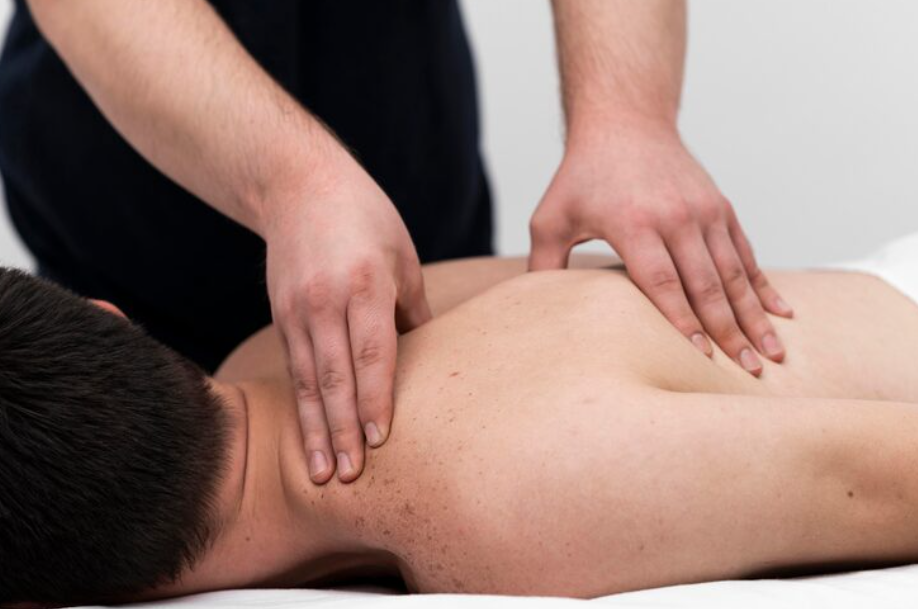
Meridian point massage involves various techniques that differ in pressure, rhythm, and style. These can include gentle pushing and pulling of the skin, circular motions, or tapping with fingers or specialised tools. Each method serves a unique purpose, whether to invigorate, relax, or hold the energy at specific points.
Practitioners of meridian point massage often combine this modality with other forms of therapy, such as acupuncture or herbal medicine, depending on the patient’s individual needs. The practice is tailored to address a variety of health concerns, from musculoskeletal pain and stress reduction to enhanced circulation and respiratory issues.
Health Benefits
The potential health benefits of meridian point massage are extensive, a reflection of its holistic approach to wellness.
– Stress Relief: By promoting the smooth flow of Qi and reducing tension within the energy channels, meridian point massage helps counteract the effects of stress on the body and mind. This stress reduction can lead to improved mood, increased mental clarity, and better sleep patterns.
– Pain Management: By focusing on specific points that correspond with different organ systems, this massage technique can alleviate chronic pain conditions such as headaches, migraines, and muscle stiffness. Its non-invasive nature makes it a popular choice for those seeking alternative pain management solutions.
– Improved Digestion: By targeting meridian points linked to the digestive system, practitioners can help improve digestive function, reducing symptoms of bloating and indigestion.
The Role of Practitioners
Practitioners of meridian point massage undergo extensive training to understand the complex map of meridians, points, and pressure applications that guide this therapy. Their expertise enables them to assess the state of a person’s Qi and identify any imbalances or blockages that may be present.
The skill of a practitioner is not merely technical but also lies in the ability to listen and adapt to the individual needs of their clients. A skilled therapist can intuitively sense subtle changes in muscle tension and energy flow, adjusting their techniques to ensure an effective therapeutic session.
Modern Applications and Accessibility
While deeply rooted in traditional practices, the principles of meridian point massage have found their way into modern wellness regimes. Today, many wellness centres and spas incorporate elements of this practice into their offerings, providing clients with a holistic method to improve health and self-care.
The integration of meridian point massage into contemporary wellness culture underscores its versatile nature and enduring popularity. As awareness of the benefits spreads, more individuals are turning to this ancient practice as a natural part of their health maintenance routine.
Concurrently, accessibility has increased through a range of educational resources and workshops, providing individuals with the knowledge and skills to engage in basic self-care techniques at home. By understanding the body’s meridian map and key points, people can perform simple massage routines to help maintain their energy flow and address minor concerns between professional appointments.
Supporting Research and Ongoing Studies
In the quest to understand the mechanisms and effectiveness of meridian point massage, ongoing research and studies are investigating its impact on various health conditions. Scientific exploration aims to bridge traditional wisdom with modern evidence, providing a deeper insight into how this practice can be systematically integrated with mainstream medical approaches.
Preliminary studies have pointed towards potential benefits in areas such as recovery times post-injury, reduction in chronic pain, and improvements in autonomic nervous system function. As research continues, the scientific community is gradually uncovering the physiological bases that might explain the longstanding therapeutic claims made by practitioners of TCM.
Concluding Thoughts
As we continue to embrace a holistic approach to health and well-being, meridian point massage offers a compelling blend of ancient wisdom and modern therapeutic value. Whether incorporated into a regular wellness routine or used as a targeted intervention, its focus on energy flow and balance makes it a unique and valuable practice. The increasing interest and application across the wellness spectrum serve as a testament to its enduring relevance and the profound effect it can have on overall health.
About The Author